As an Amazon Associate, I earn from qualifying purchases. This post may contain affiliate links.
When people talk about 1990s music festivals, Lollapalooza is usually the first name that comes up. Not because it was the only one that mattered, but because it helped define what a music festival could be during that decade.
In the early ’90s, Lollapalooza wasn’t a destination event you planned a year in advance. It was a touring phenomenon that moved across the country, carrying alternative music, emerging artists, and a specific kind of cultural energy from city to city. Even if it never stopped near you, it still felt present. You heard about it on the radio, saw it in magazines, and listened to friends recount their experiences when they came home.
That national reach is part of why Lollapalooza sits so comfortably within the broader story of 1990s music festivals. It wasn’t just a lineup. It was a shared reference point, one that shaped expectations for festivals that followed, including regional events that would later leave their own mark. In fact, in my ranking of the best ’90s music festivals, Lollapalooza lands at the top for precisely that reason.
Why Lollapalooza Mattered in the ’90s
Lollapalooza carried weight even for people who never attended.
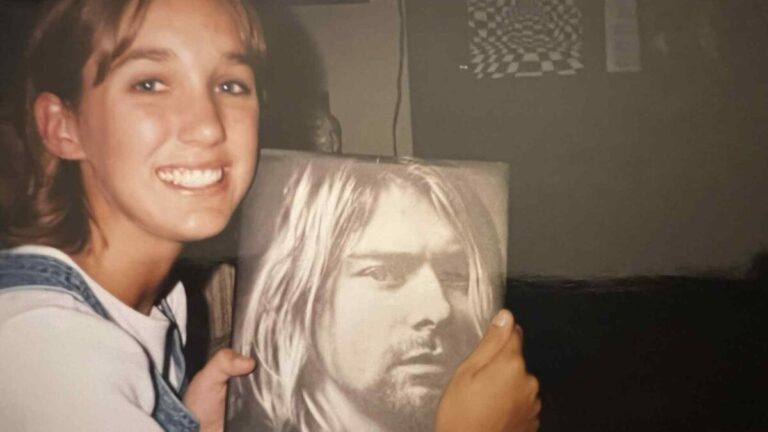
In the early 1990s, the tour didn’t stop in Maryland or Northern Virginia. Still, it was constantly talked about. Being in college at the time, especially with friends who were from areas where the tour did stop, made it feel close enough to touch. People compared notes, swapped stories, and debated who they were most excited to see, or who they were proud to have discovered before anyone else caught on.
Lollapalooza was aspirational. It captured the artists, sounds, and attitudes that defined the moment, and it did so on a scale no other festival matched at the time. Because it toured nationally, it gave people across the country something in common. Before social media flattened experiences into the same highlight reels, that shared cultural moment was rare.
You didn’t have to be there to feel the enormity of it all.
Lollapalooza mattered even if you never went. You heard about it, talked about it, and absorbed it through the people who did.
What Made It Different
What set Lollapalooza apart wasn’t just the headliners. It was the mix.
Yes, the main stage mattered. Friends talked about the big acts they were most excited to see or had just watched in the heat of the afternoon. But in the ’90s, musical credibility wasn’t built on chart position alone. “Obscure” alternative bands carried their own weight, and side stages were where discovery happened.
That mattered. Knowing who was playing the smaller stages, and being excited about it, was part of the appeal. Some of those lesser-known acts would go on to become massive names over time, which only added to the sense that Lollapalooza was a place where things started, not just where they peaked.
The scale was unmatched, too. Multiple stages, overlapping sets, bold visuals, and a feeling that everything was happening at once. Today, that kind of abundance can feel overwhelming. At the time, especially as a teenager or someone in their early twenties, it felt expansive and fun. More wasn’t a burden. It was an invitation.
In the ’90s, musical credibility came from discovery. Knowing the side-stage bands mattered as much as knowing the headliners.
Lollapalooza didn’t just present music. It reflected how people were discovering it in the ’90s, through radio, word of mouth, magazines, record stores, and late-night TV. All of those threads came together in one moving festival, and that convergence is what made it feel different from anything else happening at the time.
The Lineups That Shaped the Decade
One of the reasons Lollapalooza became such a defining part of 1990s music culture was the mix of artists it brought together year after year. Instead of sticking with one genre or one scene, it blended established performers with emerging acts you might have only caught on college radio or late-night MTV.
Lollapalooza 1991: The First Tour
Although some searches reference “Lollapalooza 1990,” the inaugural tour actually launched in 1991.
In 1991, Lollapalooza debuted as a farewell tour for Jane’s Addiction, conceived by singer Perry Farrell. The first tour already signaled the festival’s eclectic identity, with a lineup that included Jane’s Addiction itself and other boundary-pushing acts like Nine Inch Nails, Siouxsie and the Banshees, Living Colour, Ice-T’s Body Count, and Butthole Surfers. That early mix helped set a tone where rock, industrial, and alternative strains could coexist on the same bill.
Lollapalooza 1992: Alternative Goes Mainstream
By 1992, the festival had expanded further. Big names like Red Hot Chili Peppers, Soundgarden, Pearl Jam, Ministry, and Ice Cube anchored the main stage, while the side stages featured rising acts in rap, alt rock, and experimental sounds. That year represented a moment when alternative rock was gaining mainstream traction, and Lollapalooza was right at the center of it.
Watch: Lollapalooza 1992 – Pearl Jam Twenty
Clips from Pearl Jam’s performance at Lollapalooza 1992, taken from Pearl Jam Twenty, the 2011 rockumentary directed by Cameron Crowe. It offers a snapshot of Pearl Jam’s early-’90s live energy during the touring-festival era that helped define Lollapalooza’s lineup identity.
Video via Pearl Jam on YouTube
Lollapalooza 1993: Expanding the Definition
In 1993, the lineup continued to push boundaries. Acts like Primus, Alice in Chains, Dinosaur Jr., and Arrested Development showcased how wide “alternative” had become. You could see heavy, quirky, and genre-bending music side by side, amplifying the sense that Lollapalooza wasn’t just another summer tour — it was a snapshot of where underground and emerging music were at that moment.
Lollapalooza 1994: Eclectic and Ascendant
1994 is often remembered as one of Lollapalooza’s most eclectic bills. Smashing Pumpkins and Beastie Boys anchored the main stage, bringing both alt rock and hip hop influences to the forefront, while acts like A Tribe Called Quest, George Clinton and the P-Funk All Stars, and The Breeders showed how diverse the festival’s palette had become. Plans for Nirvana to headline that year never materialized, and the band ultimately did not join the tour. Even without them, the lineup highlighted how far alternative music had expanded by the mid-1990s.
Across all those early years, Lollapalooza’s strength wasn’t just in who played. It was in how those acts represented the currents of the moment, bringing together punk-inflected rock, grunge, hip hop, metal, and experimental sounds on the same stages. For many fans, reading those posters or hearing about those bills was like listening to the future before it had a name.
Exploring the Music of Early Lollapalooza
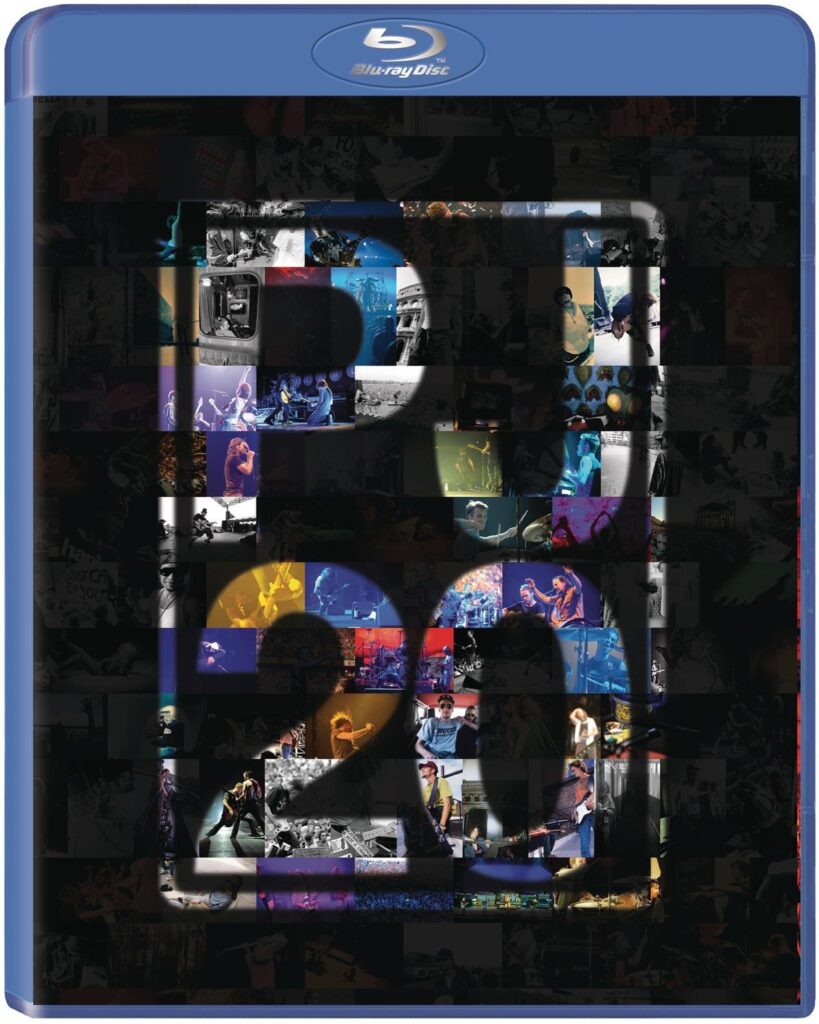
For many fans, Lollapalooza’s impact lives on through the artists and moments that defined its early touring years. Pearl Jam Twenty offers a deeper look at one of the bands most closely associated with the festival’s early-’90s momentum, capturing the era when alternative music was still finding its footing on massive stages.
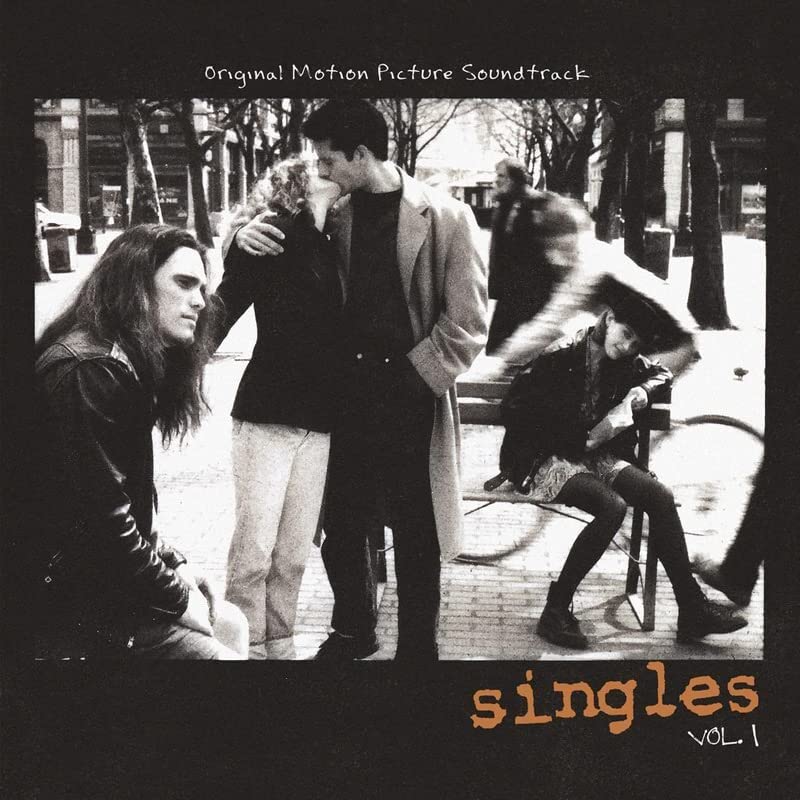
For a broader snapshot of the era, a 1990s alternative rock compilation on vinyl like Singles: Original Motion Picture Soundtrack offers context beyond a single band. Flipping records, reading liner notes, and sitting with a full album mirrors how many fans originally engaged with this music, long before playlists and algorithms flattened discovery into the background.
The Experience, Not Just the Music
Even for people who never attended, Lollapalooza felt immersive.
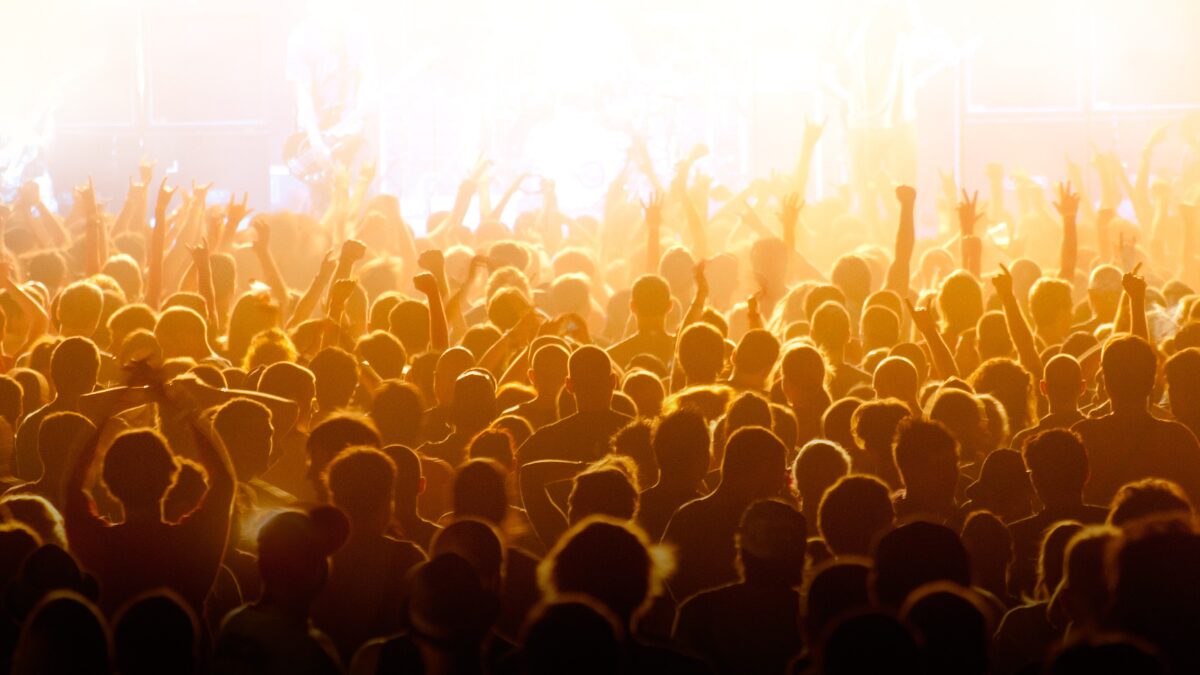
Friends didn’t just come back talking about sets. They talked about days. About the heat, the crowds, the constant movement from stage to stage, and the feeling that you were always missing something happening somewhere else. That wasn’t a flaw. It was part of the appeal. You couldn’t see everything, so you chose, compared notes later, and carried the stories forward.
At the time, that kind of abundance felt exciting, not overwhelming. As a teenager or someone in their early twenties, more stages and more bands didn’t register as overload. It felt expansive, like being dropped into the center of everything happening in alternative music all at once. The chaos was energizing. You wandered, listened for a few songs, moved on, and trusted that you were still catching something worthwhile.
What stands out in hindsight is how physical the experience sounded. Walking all day. Standing in the sun. Hearing music bleed from one stage into another. Seeing bands you knew, followed by bands you barely recognized, followed by bands you’d be talking about for years. There was no pause button, no curated feed, no way to rewind what you missed. You had to be there, or you had to hear about it from someone who was.
That limitation made the stories matter more. Friends compared notes when they got home, filling in the gaps of what they missed and what they couldn’t see. One person’s main-stage highlight became another person’s side-stage discovery, and those stories traveled long after the tour moved on.
Looking back now, it’s easy to imagine that scale feeling exhausting. Today, it probably would. But in the early ’90s, it felt like possibility. Lollapalooza wasn’t designed to be neatly consumed. It was something you stepped into, absorbed in pieces, and remembered imperfectly. That messiness is part of why it still lingers in memory, even for those who experienced it from the edges, and it’s one of the reasons 1990s music festivals felt different.
How Lollapalooza Fits Into the Broader 1990s Festival Story
Lollapalooza didn’t exist in isolation. It helped shape the expectations for what a 1990s music festival could be, even in places where the tour never physically stopped.
By proving that a large-scale, alternative-leaning festival could succeed nationally, Lollapalooza helped normalize the idea that festivals didn’t have to be tied to legacy rock acts or narrow genres. They could be eclectic. They could be loud, messy, and culturally specific. And they could still draw massive crowds.
Watch: Lolla: The Story of Lollapalooza
The official trailer for Lolla: The Story of Lollapalooza highlights the festival’s origins, early touring years, and cultural impact. The documentary explores how Lollapalooza helped shape the sound, scale, and spirit of 1990s music festivals.
Video via Paramount Plus on YouTube
That ripple effect showed up in regional festivals throughout the decade. In the Mid-Atlantic, that energy eventually coalesced into events like HFStival, which felt less like a touring spectacle and more like a local moment coming into its own. HFStival didn’t try to replicate Lollapalooza’s national sprawl. Instead, it reflected the tastes and identity of its home audience, shaped heavily by alternative radio and regional music culture.
For someone who had spent years orbiting Lollapalooza culturally, HFStival felt different. It wasn’t aspirational in the same way. It was immediate. Tangible. A first experience that didn’t feel borrowed from somewhere else. Even decades later, those memories hold because they were personal, not secondhand.
Together, these festivals tell a larger story about the 1990s. Lollapalooza created a shared national reference point, while regional festivals turned that energy inward and made it local. One made the idea of alternative festivals feel possible. The other made it feel real.
That balance between national influence and regional identity is part of what defines the era. The festivals weren’t interchangeable. They were connected, each reinforcing the idea that music culture in the ’90s was something you participated in, not just consumed.
Why Lollapalooza Still Holds Cultural Weight
Lollapalooza still exists today, but it doesn’t occupy the same cultural space it did in the early 1990s. That isn’t a criticism. It’s context.
In its earliest years, Lollapalooza felt singular. It arrived at a moment when alternative music was breaking through but hadn’t yet settled into predictable lanes. Discovery still required effort, and festivals felt like rare convergence points rather than content pipelines. Because Lollapalooza toured, it created a shared national experience without flattening it. Everyone saw something different, but everyone talked about the same thing.
Did you know? While Lollapalooza still exists today, its earliest touring years remain the most closely associated with the rise of the 1990s alternative festival culture.
That combination is hard to replicate now. Modern festivals are often destination-based, algorithm-aware, and instantly documented. Experiences are shared in real time, which changes how they’re processed and remembered. The early ’90s version of Lollapalooza lived differently. It traveled by word of mouth, magazine coverage, radio chatter, and the stories people brought home with them.
What gives Lollapalooza lasting cultural weight, and especially Lolla in the ’90s, isn’t just nostalgia for specific bands or lineups. It’s what it represented at the time. Abundance without burnout. Discovery without feeds. A sense that music culture was still unfolding, and you were catching it mid-stride.
For those who never attended, it still mattered. It set expectations. It shaped taste. It made room for regional festivals to feel both possible and legitimate. And for those who later experienced their own defining festival moments, like HFStival in 1994, Lollapalooza remains part of the backdrop. Not the memory itself, but the cultural weather that made it possible.
That’s why it still comes up in conversations about the decade. Lollapalooza wasn’t just a festival. It was a signal, one that captured how the 1990s sounded, felt, and moved. Even now, decades later, its shadow still helps explain why that era of music and festivals continues to resonate.