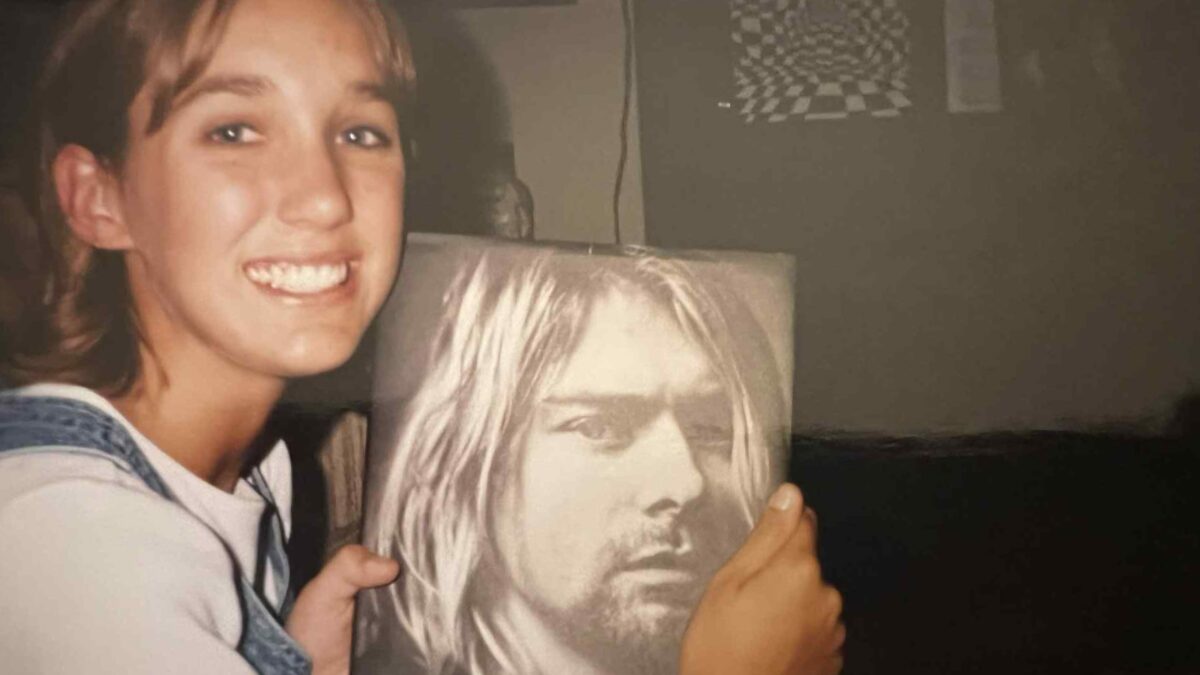
I remember the first time I saw Pearl Jam’s Even Flow video on MTV. Instead of the glossy, carefully staged music videos that had dominated just a few years earlier, this one felt almost like watching a live concert unfold on television. Eddie Vedder swung across the stage while the band locked into a sound that was loud and undeniably rock, yet somehow more melodic and emotionally charged than what had come before.
Around the same time, bands like Nirvana, Soundgarden, and Live began appearing everywhere — first on alternative radio stations like WHFS or DC101, then on MTV, and eventually in conversations among friends who were all trying to track down the latest CD or cassette. Grunge and alternative rock still carried the energy of rock, but the atmosphere had changed.
The bright theatrical polish of late-1980s pop culture was giving way to something heavier, more introspective, and far more emotionally honest. For Gen X listeners coming of age in the early 1990s, music didn’t just sound different. It felt different.
That shift makes more sense when you remember what the musical landscape looked like just a few years earlier.
From Glossy ’80s Pop to Grunge and Alternative Rock
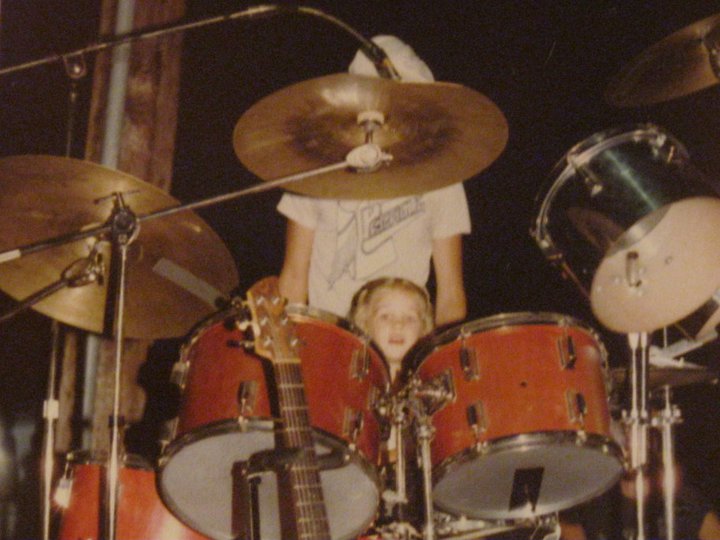
The music that filled my middle school years in the late 1980s leaned unmistakably bright and upbeat. Artists like The Bangles, Wham!, Tiffany, Debbie Gibson, and Thompson Twins regularly appeared on the radio and MTV, while my first vinyl records included Michael Jackson’s Thriller and Whitney Houston. Music videos during that era often felt colorful and theatrical, filled with bright sets, stylized performances, and a kind of cheerful “boppiness” that defined much of late-’80s pop culture.
At the same time, my musical world extended beyond the Top 40 hits playing on the radio. My parents were music lovers, and their record collection introduced me to artists like Pink Floyd, the Allman Brothers, Jackson Browne, Bob Dylan, and Joni Mitchell — musicians whose songs carried a quieter, more reflective emotional tone.
When the early ’90s alternative wave began to surface, it almost felt as if those two musical worlds were converging. The polish and spectacle of late-’80s pop slowly gave way to a sound that was heavier yet deeply melodic, with lyrics and moods that seemed more personal and more grounded in real emotion.
Once that shift began, it spread quickly.
In some ways, the tone of late-’80s pop culture wasn’t that different from the Saturday morning cartoons many of us grew up watching — bright, energetic, and often built around simple emotional cues.
Did you know? By the late 1980s, MTV’s most frequently aired videos often came from glam metal and highly produced pop acts, reinforcing the glossy visual style that dominated the channel.
When Alternative Rock Broke Through
In the early ’90s, discovering new music rarely happened all at once. More often, it unfolded in stages, each one adding another layer of excitement. A band might appear first on an alternative station like WHFS or DC101, wedged between songs that sounded nothing like the polished pop dominating mainstream radio. Not long after, the video might show up on MTV, sometimes late at night or during blocks that leaned more toward alternative rock. Within days, someone in your friend group would show up talking about the band, and suddenly everyone was trying to track down the CD or cassette.
That was how artists like Pearl Jam, Nirvana, Soundgarden, Dave Matthews Band, and Live spread through my circle. No single moment announced their arrival; instead, the buzz built gradually through radio play, MTV rotations, and conversations in school hallways about the band someone had just discovered.
Tower Records was part of that rhythm, but not as the place where we found new music. By the time we walked through those doors, we usually already knew what we were looking for. The record store was where discovery became physical, where the songs you’d heard on the radio or seen on MTV finally turned into an album you could hold in your hands.
Walking through Tower Records meant scanning the new releases wall, flipping through jewel cases and hoping the albums everyone had been talking about were finally in stock.
Did you know? Nirvana’s Nevermind knocked Michael Jackson’s Dangerous off the No. 1 spot on the Billboard chart in January 1992 — a moment many music writers later describe as symbolic of the changing sound of mainstream music.
Why Grunge and Alternative Rock Resonated with Gen X
The music didn’t just sound heavier than what had come before. It felt more personal.
Grunge and alternative bands carried a kind of emotional intensity that stood apart from the celebratory tone of much late-’80s pop culture. The guitars were still loud, but the songs leaned into introspection, frustration, and melancholy in ways that felt strikingly honest. Mood mattered as much as melody, and the emotional atmosphere of a song often lingered long after the chorus ended.
That tone wasn’t entirely new. Artists like The Cure and Morrissey had already been exploring similar emotional territory during the 1980s, weaving melancholy and introspection into alternative music long before the Seattle bands reached mainstream audiences. When grunge arrived, it amplified that mood and carried it onto radio stations and MTV rotations that had previously favored brighter, more theatrical sounds.
For many Gen X listeners, the shift felt meaningful because the music seemed less interested in delivering tidy emotional conclusions and more willing to sit inside complicated feelings. In that sense, it mirrored a broader cultural transition that was unfolding across television, film, and fashion during the same period.
The shift wasn’t limited to music. Around the same time, television was beginning to move away from the tidy moral packaging that had defined so many sitcoms of the 1980s. Characters stopped pausing for a neat lesson before the credits rolled, and stories grew more observational and ambiguous. That change in tone mirrored what was happening in music, where bands seemed less interested in delivering emotional clarity and more willing to sit inside complicated feelings.
How ’90s Music Shaped Fashion, Film, and Youth Culture
As the sound of alternative rock spread, its aesthetic began to show up everywhere else.
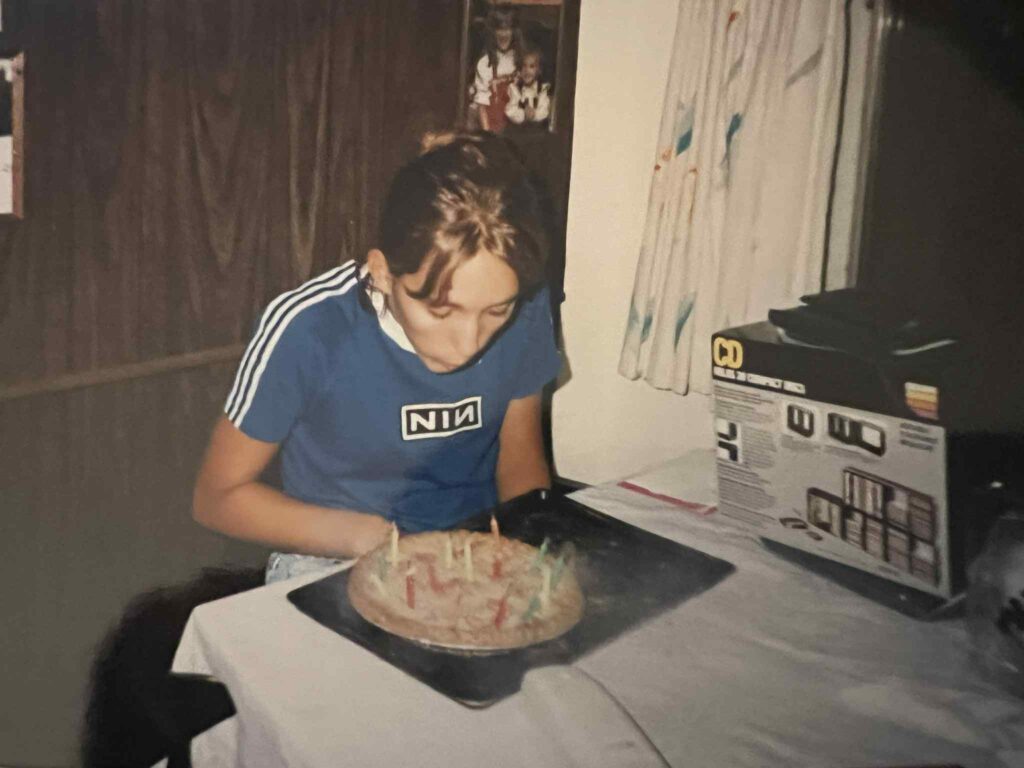
Fashion moved away from the bright polish that had defined much of the previous decade. Flannel shirts, thrift-store layers, worn denim, and unstructured silhouettes replaced the carefully styled looks that had once dominated MTV. The style often felt intentionally casual, as if the goal was to avoid looking too polished.
Film followed a similar shift. Movies like Reservoir Dogs, Pulp Fiction, Kids, and Trainspotting carried a darker, more grounded tone that echoed the emotional atmosphere of the music dominating alternative radio. Even fashion photography began leaning into a stripped-down aesthetic, with magazine spreads that favored a moodier, less glamorous style often described at the time as “heroin chic.”
During that same period, I was working at GapKids, which created an interesting cultural contrast — especially compared to the role malls played as social hubs for Gen X teens. The world of Gap leaned clean and classic, while my personal style was drifting toward thrift-store finds and the layered, slightly messy look that had become part of the grunge aesthetic. Flannel shirts, worn denim, oversized sweaters, and vintage pieces from secondhand shops suddenly felt more authentic than anything carefully styled on a mall mannequin. Somehow, the two worlds coexisted. In the summer of 1995, I cut my hair into a pixie, dyed it auburn, and headed off to college, experimenting with thrifted clothes, new piercings, and the kind of personal style exploration that seemed to define that era.
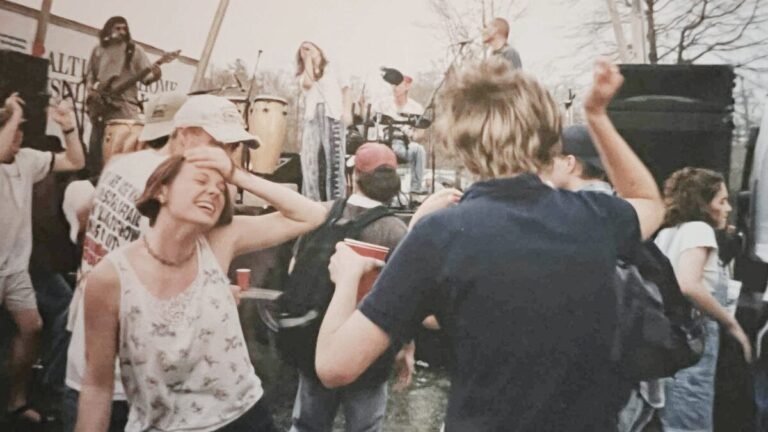
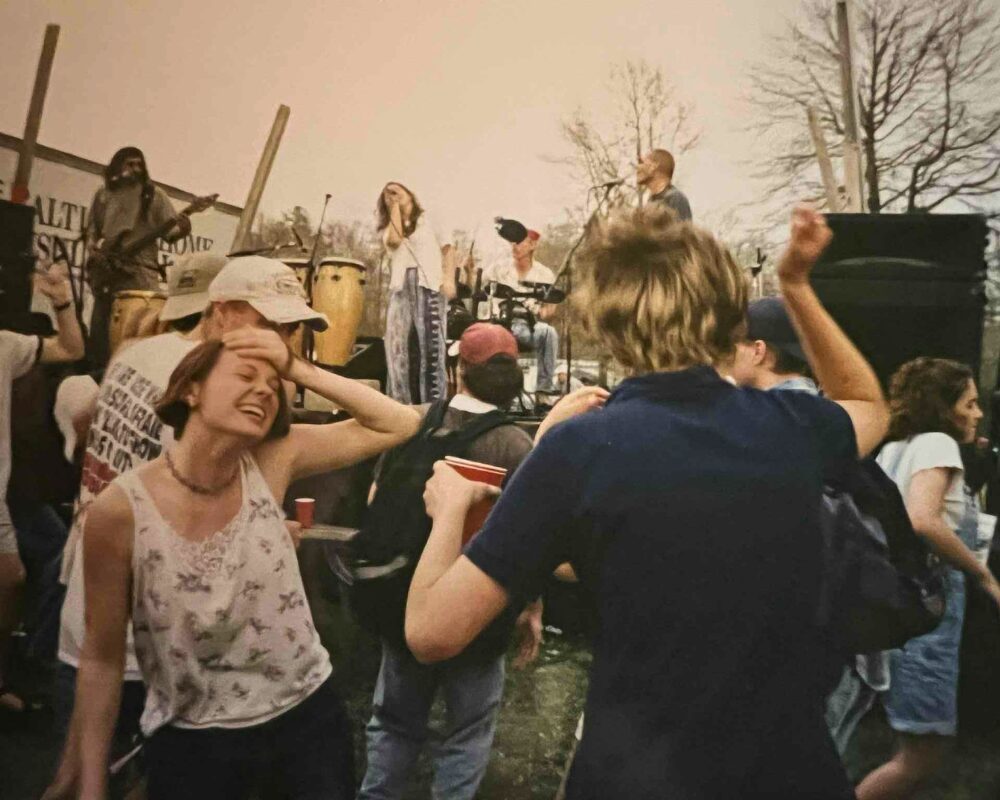
College campuses added their own layer to that atmosphere. Between outdoor concerts and the occasional roving artists moving through the quad or student center, music felt woven into everyday campus life rather than confined to formal stages.
When Alternative Rock Became the Mainstream
By the middle of the decade, alternative rock had moved far beyond the edges of radio playlists.
Stations that had once treated alternative music as a niche format began giving it regular airplay, while MTV increasingly featured bands that would have seemed unlikely to dominate the channel just a few years earlier. What had started as a regional or underground movement — particularly in the Seattle scene — was now shaping the sound of mainstream rock.
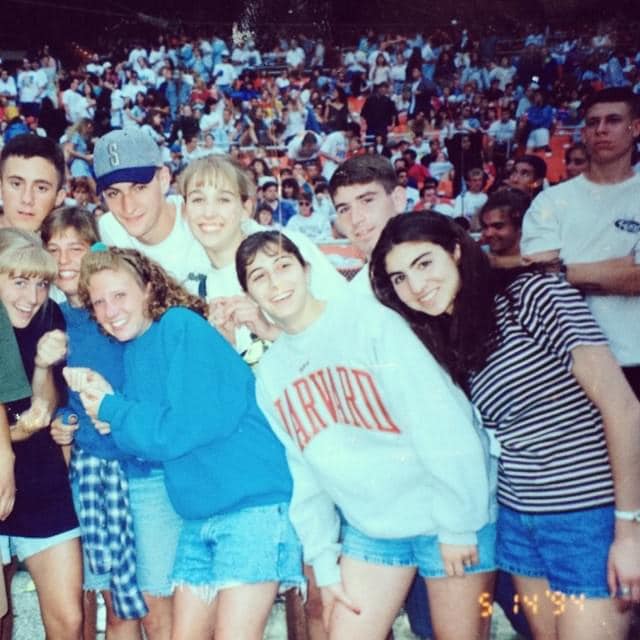
Festival culture reflected that shift as well. Touring events like Lollapalooza helped define the era, and the rise of 1990s music festivals brought together artists from across the alternative spectrum in ways that felt very different from the arena rock tours that had dominated earlier years. For many fans, those festivals captured the energy of the moment, combining music discovery with a broader sense that youth culture itself was evolving.
Why the Music Still Connects Today
Three decades later, the music from that era continues to find new listeners.
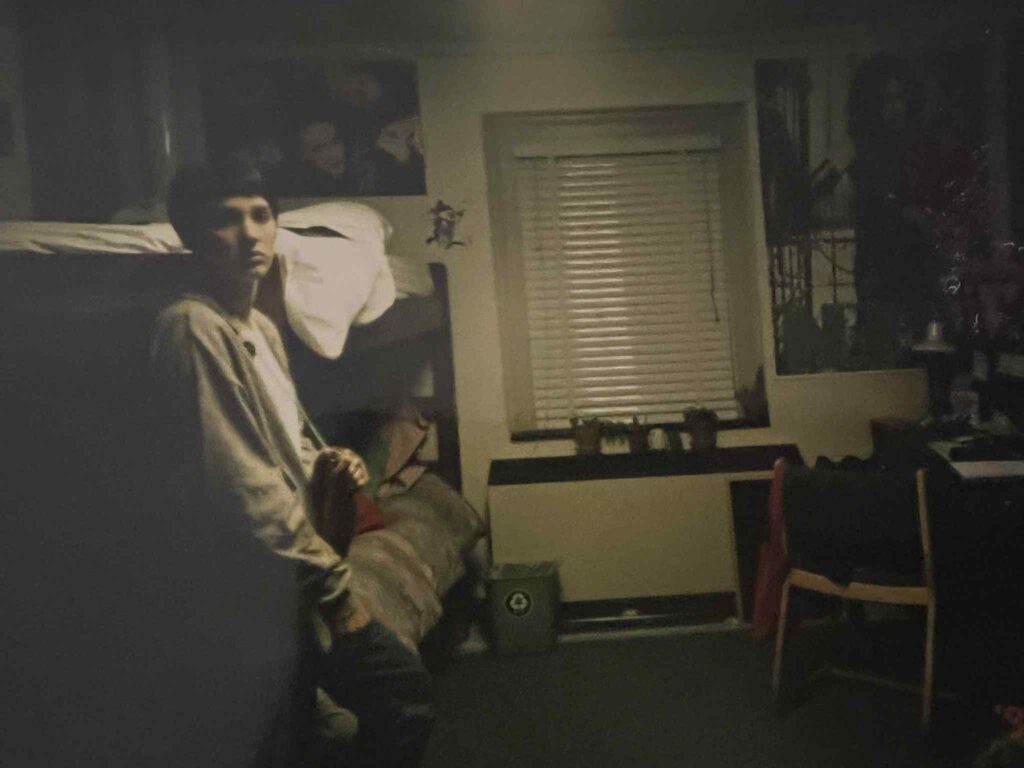
My Gen Z kids have rediscovered many of the same bands that shaped my high school and college years. My daughter, now twenty-one, even met her boyfriend over a shared love of Pearl Jam after the band came up on TouchTunes at a bar. What once felt like the soundtrack of a specific generation has quietly become part of a much larger cultural catalog.
The connections stretch further than that. Both of my kids recently loved Timothée Chalamet’s portrayal of Bob Dylan in A Complete Unknown, which feels like another reminder of how musical influence travels across generations. The artists who shaped the music of the 1990s were themselves drawing from earlier traditions, and those influences continue to circle back into popular culture.
When I hear those early ’90s songs today, they still function like time machines. The music itself carried introspection, frustration, and melancholy, but the years tied to it were anything but dark. For me, those songs still point back to a moment when discovering music felt thrilling, friendships revolved around what everyone was listening to, and the world ahead still seemed wide open.