
As an Amazon Associate, I earn from qualifying purchases. This post may contain affiliate links.
“Right time, right place.”
That’s the simplest way to explain how music discovery worked before streaming. You didn’t go looking for it in the same way. You just… found it. Or it found you.
Sometimes that meant hearing a song at exactly the right moment. Sometimes it meant missing it entirely and hoping it would come back around again.
Either way, you didn’t control it. And that was the part of the point.
Before Everything Was Curated
There was no algorithm shaping your taste. No playlist built just for you. No quiet sense that the next song was already being lined up based on what you’d just heard.
Music discovery before streaming was shared, not personalized — something I’ve written more about broadly in “Before Everything Was Curated.”
You heard what was playing — on the radio, on MTV, in someone else’s car, drifting out of a bedroom down the hall. And if something clicked, you held onto it the best you could.
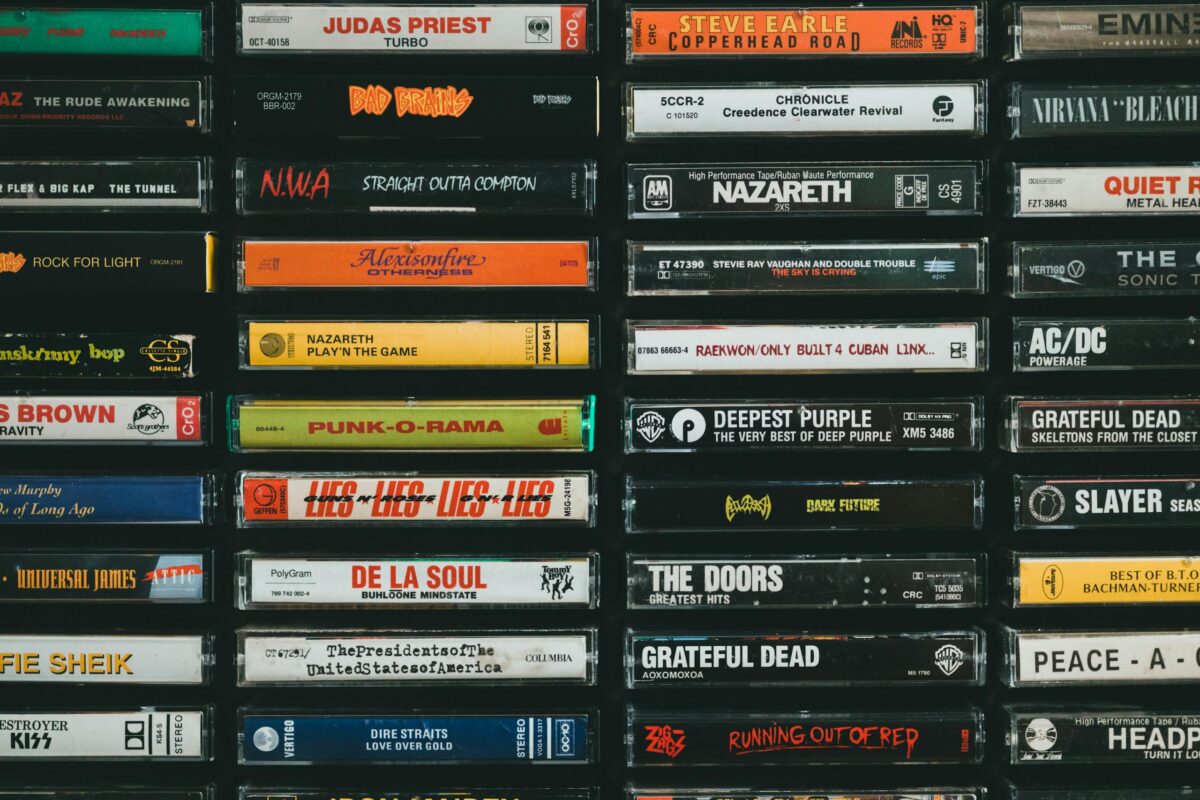
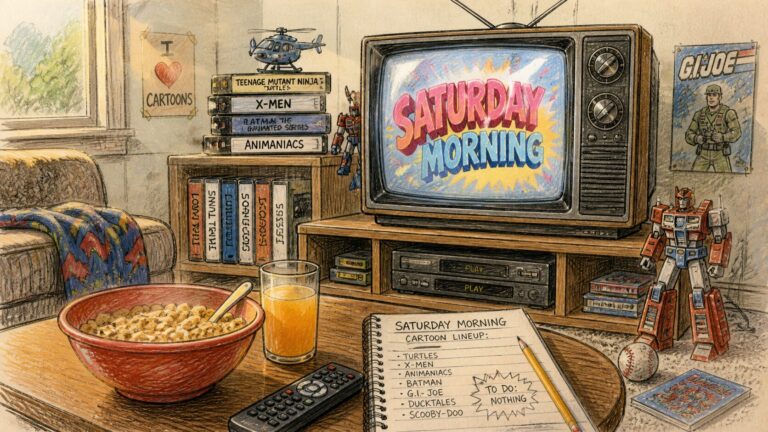
That might mean sitting in front of the TV waiting for a video to come back around. Or keeping a blank cassette ready, hovering over the record button, hoping the DJ didn’t talk over the intro.
It wasn’t efficient, but it made you pay attention.
The Slow Build of Taste
Early on, a lot of what you liked was just what was there.
Pop music filled the space — artists like Debbie Gibson, Tiffany, and The Bangles were everywhere. Popular enough that a third-grade softball team could name itself after one and no one would question it. (Me, that was my third-grade softball team.)
But somewhere along the way, it started to shift.
You’d find your way into your parents’ record collections and land on artists like Joni Mitchell, Cat Stevens, Pink Floyd, or Bob Dylan. Music that had been background noise on road trips, in the living room, or somewhere between stations, suddenly felt like something you chose.
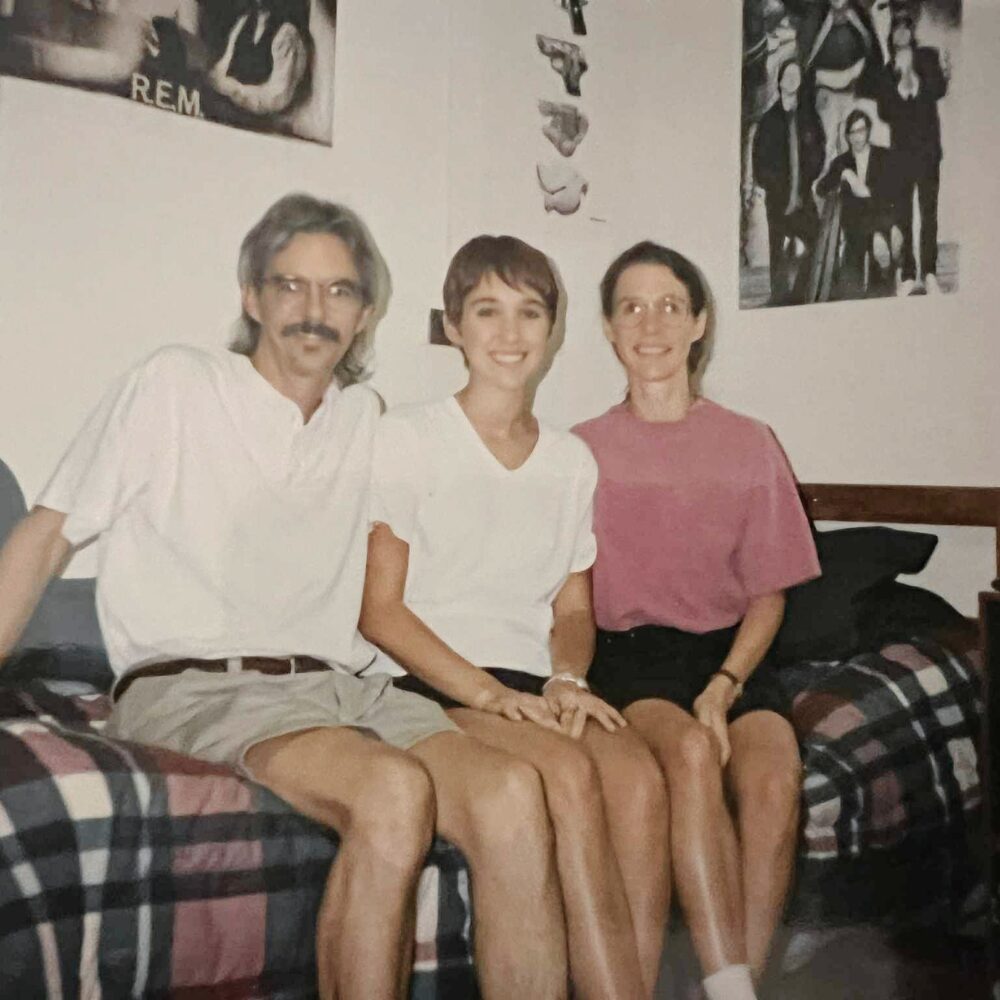
It wasn’t new music, but it was new to you.
At the same time, new music filtered in more slowly.
Stations like WHFS and DC101 introduced artists that felt a step removed from whatever was dominating pop radio. Friends with older siblings seemed to know things earlier than everyone else. And every once in a while, MTV would drop something into your lap at just the right moment.
Like catching “Even Flow” by Pearl Jam for the first time and immediately feeling captivated.
Did you know? Before streaming, record collections — your parents’, your friends’, even older siblings’ — were one of the most common ways people discovered music outside the mainstream.
Catching It Again Was the Hard Part
Hearing a song once was one thing. Hearing it again was something else entirely.
There wasn’t a back button or search bar, and there was no way to pull it up on demand.
If you liked something, you had to wait for it.
You sat in front of the TV hoping the video would replay. You listened to the radio more closely than usual, trying to catch the opening notes. You timed recordings on cassettes, accepting that sometimes the DJ would talk over the beginning or the end would get cut off.
And when you finally got it right and the song recorded cleanly, it felt like a small win.
Eventually, if you liked something enough, you’d buy it. A cassette, a CD, maybe even a vinyl record. Or you’d copy a friend’s CD and build your collection that way.
But it started with that first moment and the effort to get back to it.
Did you know? Home taping — recording songs off the radio onto cassette tapes — was so common in the 1980s and 1990s that it became a cultural flashpoint for the music industry, which worried about lost sales even as it fueled fandom.
Mixtapes as Memory, Not Just Music
Mixtapes weren’t just about the songs — they were about capturing a moment, something that shows up again and again in how Gen X listened to music.
Most weren’t carefully themed. They were just a collection of whatever you were into at the time — songs that felt like they belonged together because you were the one putting them there.
That’s not to say there weren’t themed mixtapes, of course. Whether celebrating summer vacation or sharing special songs with a love interest, mixtapes served a very important purpose.
Later on, this shifted a little. Road trip mix CDs had a purpose. They were built for a setting, a stretch of highway, and a shared experience.
But even then, they weren’t infinite because you had to choose what made the cut.
And once it was set, it stayed that way.
Discovery Was Something You Shared
Music didn’t show up tailored to you because it moved through people: from parents to kids, older siblings to younger ones, friends to friend groups, and radio stations to local scenes.
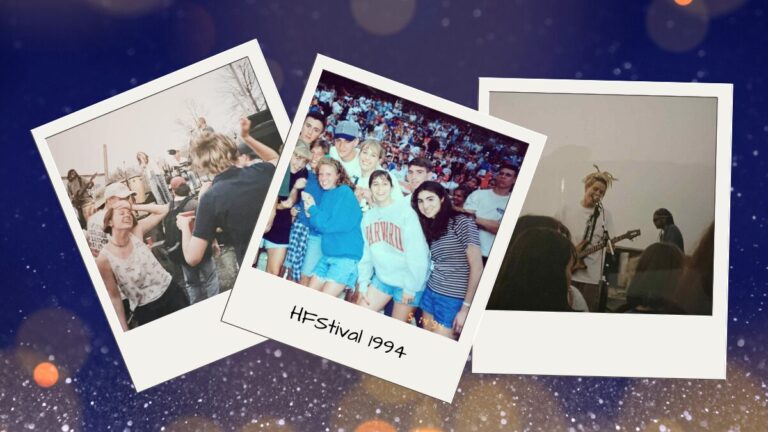
That’s part of what made 1990s music festivals feel the way they did. By the time you saw an artist live — whether it was through something like Lollapalooza’s touring model or a regional festival — you had already found your way to them through a dozen smaller moments.
The discovery came first and the experience came later.
What Changed — and What Didn’t
Now, music is easier to find than it’s ever been.
You can pull up any song, anytime. Algorithms surface artists you’ve never heard of. Playlists stretch on longer than any mixtape ever could.
But the context is different.
Music has, in a lot of ways, moved into the background. It fills space while working, driving, or walking the dogs, but without asking for the same kind of attention.
There are still moments where it cuts through, like before a concert, maybe, when you dive back into an artist’s catalog and listen more closely. Or when an older song surfaces unexpectedly and brings something with it.
Like hearing “Mr. Brightside” by The Killers and being pulled back into a completely different time and place — in my case, middle-of-the-night feedings when my oldest was a baby in 2005 as MTV glowed from the other side of the room.
Did you know? Songs tied to late teens and early adulthood often create stronger emotional memories — a phenomenon sometimes called “reminiscence bump,” where music from that period sticks with us more deeply over time.
Right Time, Right Place
That’s still the difference.
Music discovery before streaming wasn’t optimized, and it certainly wasn’t efficient. It didn’t know what you liked yet.
But when something landed, it felt like it happened for a reason — even if it was just timing.
Right time. Right place.
And for a lot of us, that’s what made it stick.

of your parents generation, and before cassette tapes or CDs and being able to record your music, listening to music was a communal event, hours spent listening to the latest albums (vinyl to you) with friends, and maybe listening to the same album over and over to catch every phrase, every word. Maybe an impromptu, “hey can I come over? I just got the White album. You’ve got to hear it.” Or records brought to a party. There was no ‘mix,’ other than to listen to albums one after the other. The only music videos on TV back then was ‘The Monkees’ show. We moved away from AM radio to FM and WHFS was where you discovered new music.
Thanks for the memory!
I love this — thanks for sharing!!