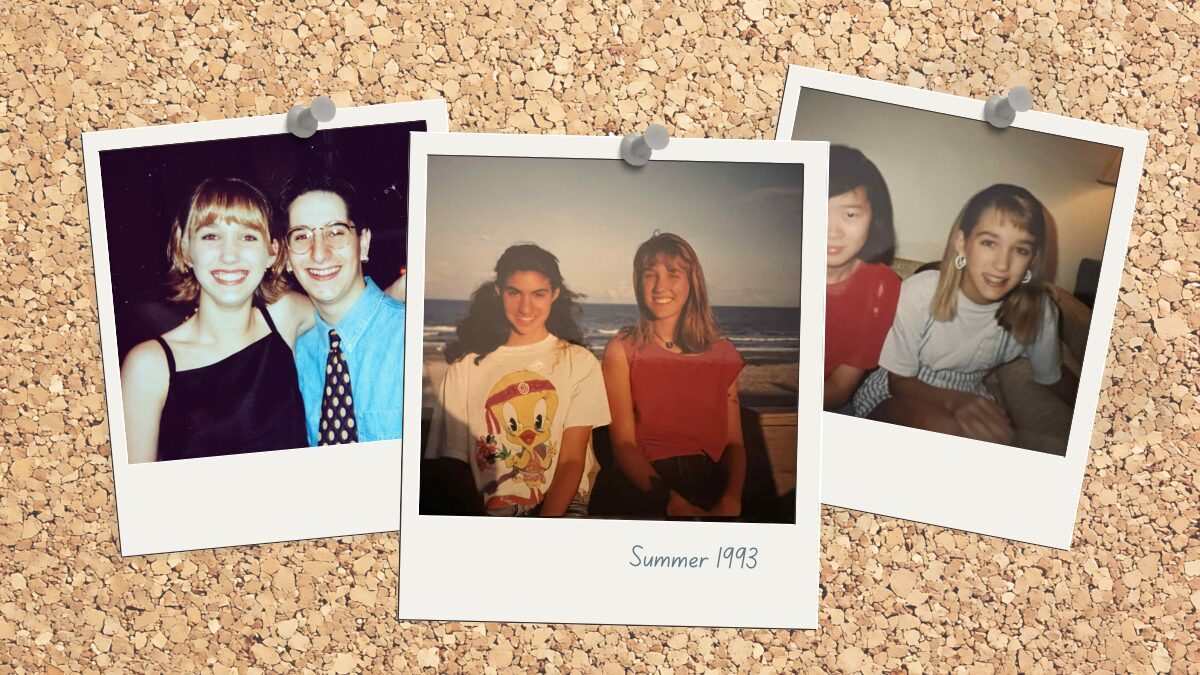
In the early 1990s, if you were a suburban teenager looking for something to do on a Friday night, there was a good chance you ended up at the mall.
Not because you needed to buy anything, and not because anyone had a detailed plan. It was simply where people went when there was nothing else to do, and where everyone else seemed to be.
Where I grew up in the suburbs outside Washington, D.C., there were several indoor malls within about twenty minutes of our house: Lakeforest Mall, Montgomery Mall, White Flint Mall, and Wheaton Plaza. Before any of us could drive, parents would drop groups of us off for a few hours and come back later to pick us up.
Wheaton Plaza was the closest, so it was often the destination in those early years. I remember it feeling very brown — brown tile floors, brown accents, the kind of mall that looked like it hadn’t changed since the 1970s. None of that mattered to us, though. What mattered was that once you walked through the doors, you had a few hours of independence and nowhere in particular you had to be.
Sometimes we grabbed food; Roy Rogers fries dipped in mayonnaise were a specific favorite. Most of the time, though, we were simply wandering.
In hindsight, the mall wasn’t just a place to shop. What we called “going to the mall” was really just hanging out. For a lot of Gen X teens, it was the closest thing we had to a social network.
In practical terms, the mall functioned as an offline version of one — a shared place where friends gathered, plans took shape, and culture spread through music, fashion, and movies. Long before smartphones, group chats, or location sharing, the mall quietly handled the logistics of teenage social life.
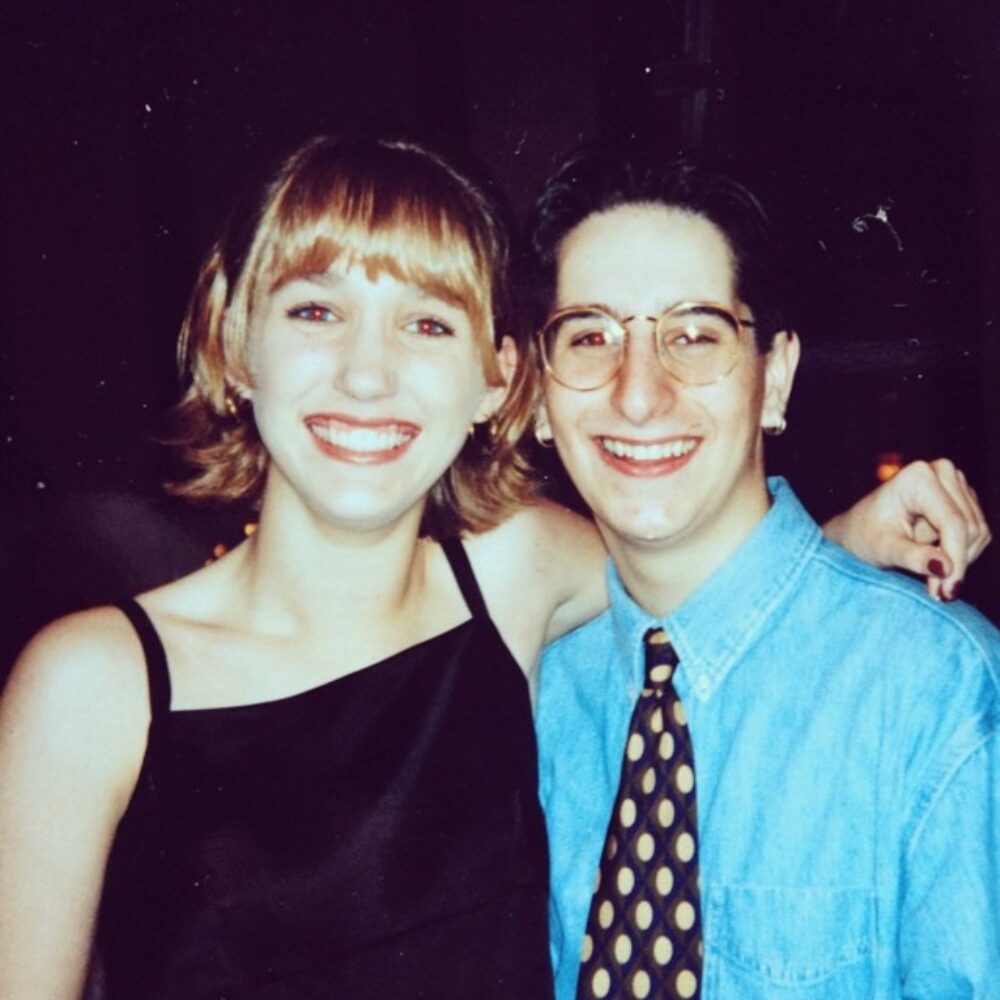
Why the Mall Became the Default Hangout for Gen X Teens
The mall worked because it quietly solved a problem: suburban teenagers needed somewhere to go.
It was safe, indoors, and relatively inexpensive to spend time there. Parents were comfortable dropping kids off because the space was busy and supervised — security guards circulated, store employees were everywhere, and the whole environment felt contained in a way that made suburban parents feel better about letting their kids roam.
Once inside, you didn’t really need a plan. The mall itself provided the structure for the afternoon or evening. You could wander with friends, browse a few stores, grab a slice of pizza, or just sit and talk for a while before heading back out again.
Not every teenager hung out at the mall, of course, but plenty did. For many of us it became the default Friday or Saturday option, especially in the years before anyone in your friend group had a driver’s license.
Did you know? In the late 1980s and early 1990s, the United States had more than 1,200 enclosed shopping malls, and suburban malls were still expanding rapidly. Many were designed not just as retail centers, but as community gathering spaces.
Hanging Out at the Mall: Making Laps in the ’90s
Once you were inside, the main activity was simple: walking.
We called it making laps.
You’d wander the same loop of corridors over and over again, drifting in and out of stores as the conversation moved along. Buying things was rarely the goal; window shopping was more than enough to fill the time.
Every once in a while you’d run into someone you knew — a classmate from school, a friend from another neighborhood, maybe someone you had a crush on. Even if you weren’t there specifically to be seen, you always kept half an eye on the crowd while you walked, just in case someone familiar appeared.
In a way, it worked like an early version of a social feed. The difference was that instead of refreshing an app, you simply rounded the next corner.

The Stores That Made the Ecosystem
Teen mall culture didn’t revolve around the anchor department stores.
Places like JCPenney, Sears, Nordstrom, or Hecht’s were part of the mall, but they weren’t where we spent time. Those were stores you visited when you needed something specific — homecoming or prom dresses, for example — not places you wandered through with friends on a Saturday afternoon.
Instead, the smaller specialty shops were the real draw. Gap, Express, and Abercrombie were regular stops for clothes. Claire’s was packed with accessories and The Body Shop offered soaps and lotions you could test in the store. Spencer Gifts had its usual collection of novelty items, while Suncoast played movie trailers and clips on screens in the back.
Some stores were purely aspirational. Brookstone was a classic example; we wandered through looking at gadgets we had no intention — or ability — to buy.
Individually, each store offered only a small experience — a scent, a song playing through the speakers, a video clip looping on a screen. Together they created the ecosystem that made wandering the mall interesting.

Music, Movies, and the Cultural Circuit
The mall wasn’t the only destination in our teenage orbit, but it often acted as the hub.
Once we were old enough to drive, our hangout map expanded a bit. Montgomery Mall became the main gathering place because it was bigger and brighter than Wheaton Plaza, with two floors and more stores to wander through. By then I was even working there myself at GapKids, which sat next to the main Gap store with an opening between the two so customers could move back and forth without stepping into the mall corridor. I wrote more about that experience in my piece on what it meant to work at the mall in the ’90s, which came with its own version of mall culture behind the counter.
For music, though, the real destination was Tower Records, which sat in a nearby strip mall rather than inside the traditional indoor malls. Record stores were still central to how we discovered music in the ’90s — wandering the aisles, flipping through CDs, and slowly building the soundtracks that defined our teenage years.
Movies were another anchor. Sometimes we saw something at a mall theater, but we also went to a discount theater in another strip center or drove into Washington, D.C., to the Uptown Theater, known for its enormous curved screen.
Live music was part of that same cultural landscape. For many of us in the D.C. area, events like HFStival were huge moments in the local scene, drawing together the same mix of bands and fans that defined alternative radio in the ’90s. Festivals like Lollapalooza were doing something similar on a national scale, helping shape the sound and identity of Gen X culture.
The mall anchored the evening, but the full social circuit extended beyond its walls.
Did you know? Before streaming and digital downloads, record stores were one of the main ways teenagers discovered music. Large chains like Tower Records and Sam Goody often doubled as informal gathering places for fans of alternative rock and emerging bands.
The Sounds and Smells of Mall Culture
Certain sensory details defined the mall experience in ways that are hard to forget.
Food courts carried their own unmistakable mix of sounds and smells: Sbarro pizza, Orange Julius drinks, the drifting scent of fried food and pretzels blending together in the air. Fountains filled with coins seemed to appear in nearly every mall, and during the holidays the Santa photo setups created chaotic crowds that spilled into the walkways.
Working at GapKids added another layer for me. The Gap and GapKids stores shared a wall with an opening between them, so the music playlists flowed through both spaces. The holiday playlists in November and December are especially vivid in my memory. In the early ’90s, the music playing in stores began shifting along with youth culture itself — moving away from glossy pop toward something heavier, moodier, and more introspective.
At the time, malls were dominated by national chains, carefully curated and surprisingly consistent from one location to another. Independent storefronts inside malls were rare. Compared to today’s struggling “dead malls,” which sometimes fill empty spaces with small local businesses just to keep the lights on, the retail landscape back then felt far more uniform.
Independence Before Phones
For many teenagers, the mall was one of the first places where independence unfolded in a public setting.
Parents would drop us off for a few hours with a pickup time arranged in advance, and once we stepped inside the building we were largely on our own. If plans changed, the only real option was to find a pay phone and call home.
Later in high school, a few friends started carrying pagers, which allowed family members to send a number that you could call back. Most of the time, though, plans simply held.
Gen X kids were already used to a fair amount of freedom — many of us had spent years roaming our neighborhoods, riding bikes, and drifting between friends’ houses before we were even teenagers. The mall didn’t introduce independence so much as expand it into a bigger, more public world.
After the Mall: Diners, Basements, and the Second Hangout
The mall was rarely the final stop of the night.
Once someone in the group could drive, the evening often continued somewhere else — maybe grabbing food at places like Jerry’s Subs & Pizza or the Tastee Diner in Bethesda, or sometimes heading back to one of our houses.
Basements were the classic gathering spot. Someone would put music on, a pool table might be involved, and there was usually a mismatched collection of couches where everyone eventually settled in to talk.
If you need a visual reference, imagine That ’70s Show… just without the weed.
The mall might have been where the night started, but it was only one piece of the routine.
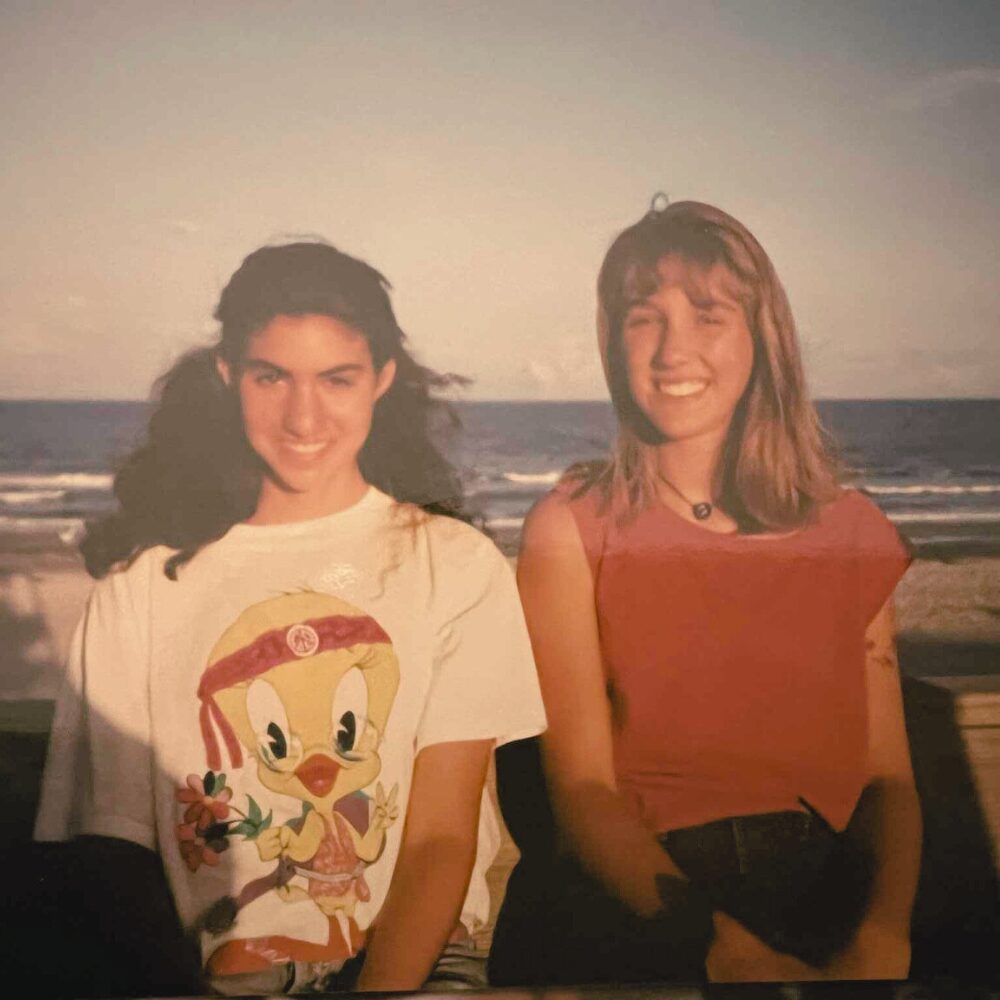
Why Mall Culture Disappeared
Mall culture didn’t vanish overnight, but its role gradually faded.
Smartphones eliminated the need for a shared physical meeting place. Social media moved the act of seeing and being seen online, while streaming, gaming, and endless digital entertainment gave teenagers reasons to stay home rather than head out.
Did you know? By the late 1990s and early 2000s, some malls had introduced “teen curfews” or adult-escort policies to limit large groups of unsupervised teenagers — a sign that the mall’s role as a teen gathering place had already begun to shift.
At the same time, many suburban malls declined as retail shifted toward online shopping.
The contrast becomes obvious when I look at it through my own kids’ experience. When I was growing up, there were several vibrant malls within a short drive of our house. Today, my Gen Z teenagers would have to travel more than an hour just to find one that feels busy — and even that one is modest compared to what malls used to be.
Before smartphones connected everything digitally, the mall connected everything physically.
Fashion, music, movies, food, and friendships all existed under one roof, creating a place where teenagers could gather even when they had nowhere specific to go.
For a few hours on a Friday night, that was the network. And it worked.