As an Amazon Associate, I earn from qualifying purchases. This post may contain affiliate links.
Before podcasts had a name, an app, or even a category, we were already listening this way.
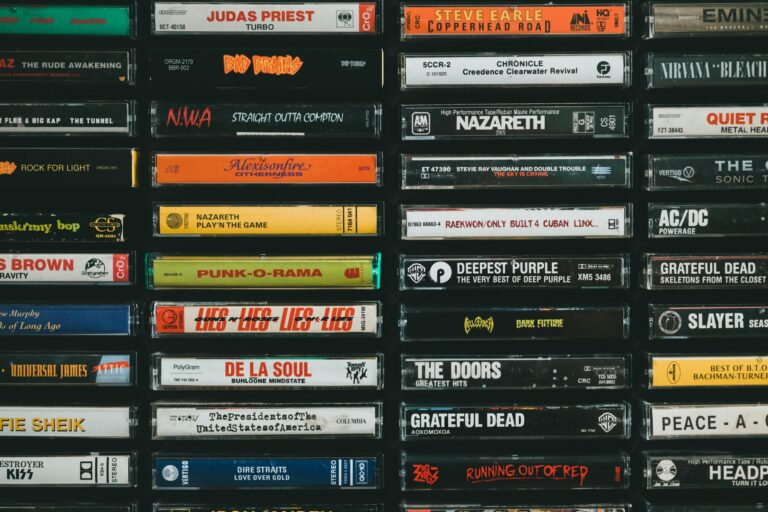
In my room, it was a boombox with a double cassette deck and the radio always on, dialed into WHFS or DC101, and sometimes WAVA back when it played rock, with a tape queued up and ready to record in case a favorite song came through. You had to be quick, and you had to be paying attention.
Sometimes I’d be lying on my bed reading with music in the background. Other times, I was listening more closely, waiting for something specific. Either way, the radio wasn’t just noise. It was part of the routine.
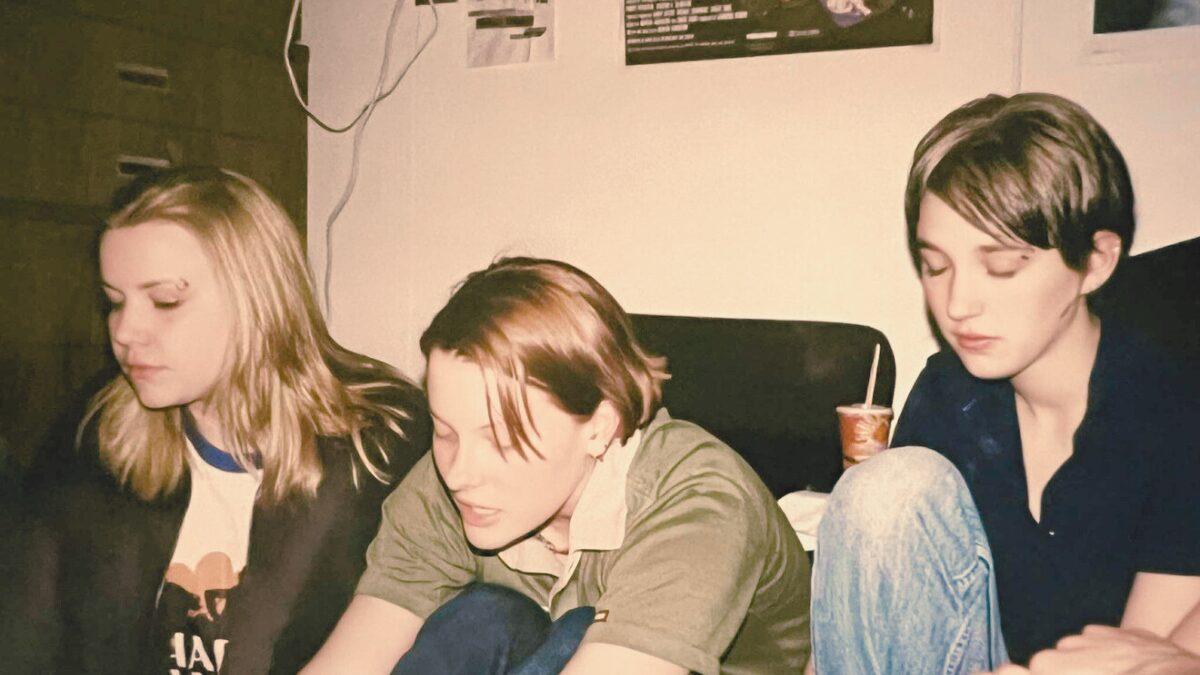
It wasn’t always just me, though. In the car on the way to school or the mall, we played it loud. The windows were down, the radio was blaring and everyone sang along. At friends’ houses — especially in basements that felt like their own little world — music played in the background while everything else happened around it. A record player, a stereo, a pool table. Something always on, even if no one was paying full attention. In college, mix CDs created a vibe in the dorms and at parties on the weekend.
In my living room, it looked different. A record player and stacks of vinyl — Joni Mitchell, The Beatles, Pink Floyd, Cat Stevens. I remember sitting on the floor, listening all the way through an album, no skipping or jumping around.
We didn’t call it long-form audio, but that’s exactly what it was.
And it turns out, we never really stopped listening that way.
Mixtapes Weren’t Just Music — They Were Programming
Mixtapes were part creativity, part strategy.
You recorded songs off the radio when you didn’t own them yet, and dubbed tracks from other tapes or CDs once you had them. You made copies for friends and built something that felt like yours.
What stands out now isn’t just the music, but the sequencing.
You didn’t shuffle a mixtape. You decided what came first, what followed, and how it all flowed. Even if you didn’t overthink it at the time, there was intention behind it.
That’s a familiar feeling.
That same instinct to follow something from beginning to end, to stay with a voice or a format, shows up now in how we listen to podcasts. Episodes aren’t just background noise. They’re something you move through.
We Were Already Listening to People Talk
Music was part of it, but it wasn’t the whole story.
Late-night radio had its own pull. Shows like Loveline, local personalities, call-in segments that went on longer than you expected, and conversations that felt a little unfiltered (and a little too adult for how old we were).
And still, we listened.
You got to know the hosts — their rhythms, their opinions, the role each person played. Missing a day felt like missing something.
That part hasn’t changed much.
Podcasts didn’t introduce the idea of listening to people talk for an hour or more. We were already doing that. Now we don’t have to catch it at a specific time.
Did you know? By the mid-1990s, over 90% of Americans listened to radio each week — making it one of the most widely shared media experiences of the time.
The Stories Were Already There
The tone wasn’t always light.
Stephen King paperbacks. Unsolved Mysteries. Twin Peaks. The X-Files. Even shows like Amazing Stories, which weren’t true crime, still carried that same slightly off, unsettled feeling.
I liked that edge — something a little eerie, but not overwhelming. You could sit with it.
That kind of storytelling felt familiar instead of new when podcasts started leaning into it.
When I eventually found Serial, it clicked almost immediately, not just because of the format, but because of the story itself. It was set in the DC suburbs, not far from where I grew up. The details, the pacing, the slow unfolding of it all felt like something I already knew how to listen to.
Did you know? The first season of Serial reached more than 5 million downloads faster than any podcast at the time, helping bring narrative audio storytelling into the mainstream.
What Changed Wasn’t the Habit — It Was the Control
For a long time, listening required timing.
You waited for songs to come on the radio and caught shows when they aired. If you missed something, it was gone — or at least harder to find again.
Now, it’s different.
I listen to podcasts while walking the dogs, driving, gardening, or doing dishes. Most of them are long, often an hour or more, so I’ll start and stop throughout the day and pick them back up later. If I’m working on something that takes a while, I might listen straight through or move from one episode to the next.
The rhythm feels familiar, but the flexibility is new.
The behavior didn’t change. The control did.
Familiar Formats, New Platforms
One thing that stands out now is how much I gravitate toward structure.
There’s a comfort in podcasts that follow a consistent format, recaps tied to shows I already watch, or shows like NPR’s Pop Culture Happy Hour that stick to a known template and rhythm. You know what you’re getting when you press play.
That predictability isn’t accidental. It’s part of what makes it work.
Radio had that too — countdowns, recurring segments, personalities you could rely on. The format mattered just as much as the content.
Podcasts didn’t reinvent that. They just moved it somewhere we could access anytime.
Listening Alone, Together
Listening has always moved between solo and shared.
Sometimes it was in your room, stretched out on your bed. Other times it was in the car, music turned up and everyone hearing the same song at the same moment. Or in a friend’s basement, where a stereo played in the background while everything else — pool games, conversations, just hanging out — unfolded around it.
It was never entirely individual.
Now, that shared layer shows up in different ways: Facebook groups, Discord threads, conversations with people following the same podcasts and shows. You’re not all listening at the same moment, but you’re still part of the same experience.
That part feels familiar too.
We used to wait for a song, then talk about it later. Watch a show, then compare notes the next day. “Watercooler TV.” The timing has shifted, but the instinct hasn’t.
This Was Never New
Podcasts can feel like a modern format, and in some ways, they are.
But the way we engage with them isn’t new.
We learned to listen in long stretches. We followed voices, not just content, and built routines around audio without really thinking about it.
Podcasts didn’t create that habit. They just made it easier to recognize, giving it a name and a platform we already knew what to do with.