
As an Amazon Associate, I earn from qualifying purchases. This post may contain affiliate links.
Before BookTok, before e-readers, before algorithms decided what you’d probably like next, there were backpacks stuffed with paperbacks. ’90s teen books weren’t curated or recommended, they were shared, borrowed, and passed from one reader to the next.
These books weren’t curated, and they certainly weren’t filtered. Just traded, borrowed, and read until the spines cracked.
Between math homework and mixtapes, most of us had at least one paperback tucked inside — worn at the corners, passed between friends, sometimes snagged from a parent’s shelf a little earlier than we probably should have.
For teens in the 1990s, YA paperbacks weren’t just books, they were a way to process growing up.
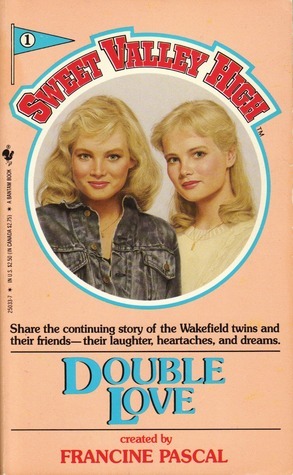
Gen X teens read widely and, often, wildly. We moved from pastel drama to psychological horror without much adult supervision. Sweet Valley High sat next to Stephen King. A Babysitters Club installment might share space with something far more unsettling, passed quietly between friends with a “you have to read this” whisper.
For a lot of Gen X readers, that level of autonomy was just… normal.
We discovered stories through analog algorithms — what was left on the library shelf, what an older sibling owned, what a friend finished first and slid across the lunch table. Content warnings and parental dashboards didn’t exist. Just mass-market paperbacks and curiosity.
This isn’t a ranking. It’s a look at the full spectrum of YA paperbacks that lived in ’90s backpacks — from glossy Scholastic covers to dog-eared horror novels we probably read too young. Because those books didn’t just fill time on bus rides and rainy afternoons. They trained us to sit with fear, ambiguity, romance, grief, and moral gray areas long before anyone explained what those things meant.
And the fact that so many of us still remember the covers says something.
The Paperback Generation — Before Algorithms Curated Us
Before search engines, reading apps, and trending lists, books found us through people.
Sometimes teachers guided our reading journey, and the best teachers not only assigned reading, they created book-obsessed kids. From The White Mountains to Beauty, I’ve tipped my hat more than once to the influence my high school English teachers had on my passion for reading (and the fact that I have an English degree).
The Pastel Gateway — Sweet Valley, Babysitters, and Book Fair Culture
We judged books by their glossy covers, before Kindles and BookTok, and the more dramatic the better.
Series you probably saw everywhere:
- The Baby-Sitters Club taught us teamwork and independence (with those nostalgic letter blocks on every cover).
- Sweet Valley High gave us California drama and pastel perfection.
- Choose Your Own Adventure made every story feel like a game we could control.
- The Boxcar Children gave us independence and adventure — four siblings solving problems with little more than curiosity and grit.
- Goosebumps turned everyday places into nightmare fuel, proving that even a school basement or summer camp could be terrifying.
Did you know? Sweet Valley High debuted in 1983 and ran for two decades, with more than 180 titles — a pastel-colored empire of teenage drama and California dreams.
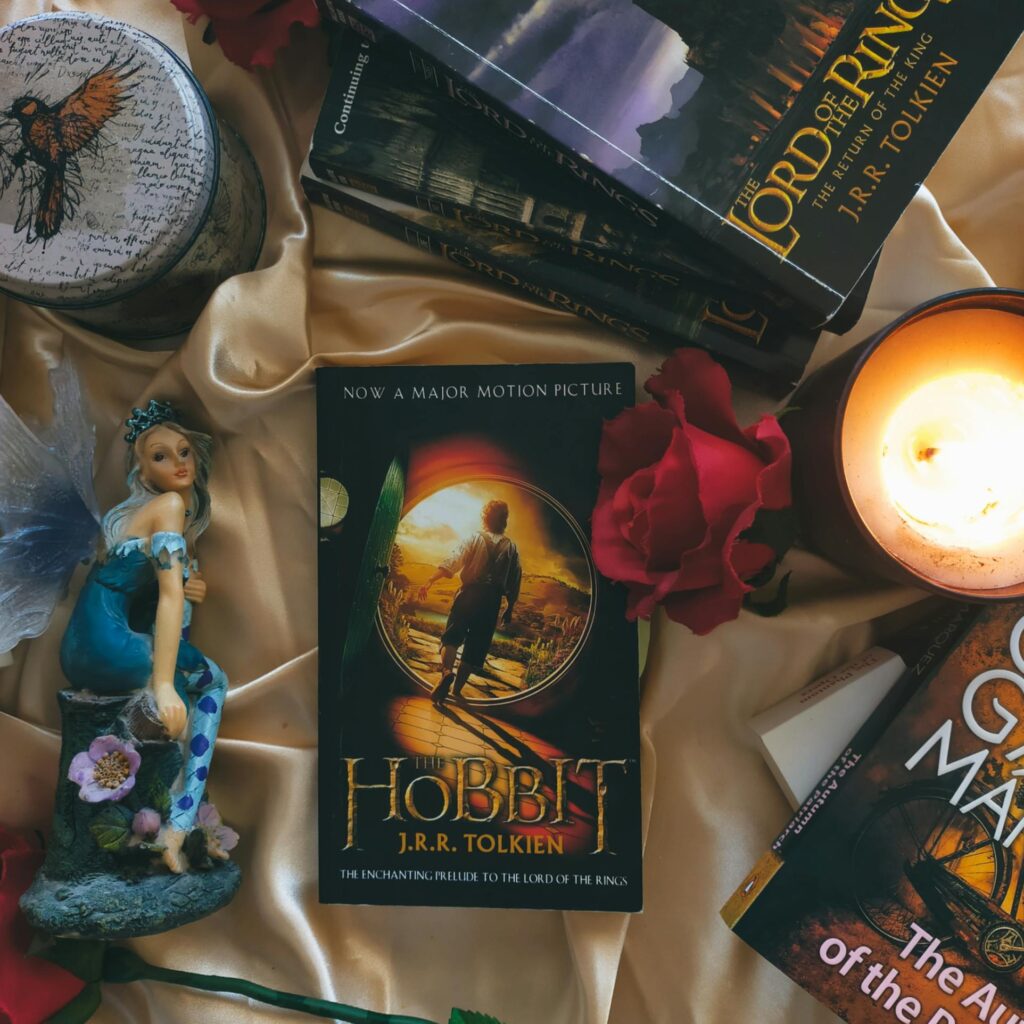
Each book came with its own kind of social currency. If you brought Sweet Valley High to lunch, you were the trendsetter. If you were reading The Hobbit or Anne of Green Gables, you were the “deep” one.
Worth noting, those of us who picked up Tolkien or L.M. Montgomery as youngsters still have a deep, deep fondness for their stories today. They’re not just nostalgic tales by brilliant authors, they’re actual books we’re happy to read and re-read again and again and again.
And let’s not forget Oh, the Places You’ll Go! — a high school graduation staple, and, while not a paperback, incredibly relevant and widely cherished, both then and now.
The Dog-Eared Underbelly — Horror and the Books We Passed Around
By middle school, the reading spectrum widened quickly. Alongside school assignments and familiar series, darker paperbacks started circulating through backpacks and locker rooms. Christopher Pike thrillers, Fear Street mysteries, Lois Duncan suspense novels — the kind of books that felt a little forbidden but impossible to put down.
Stephen King paperbacks started making the rounds in backpacks, along with the occasional romance novel that our parents probably hoped we’d skip.
Those kinds of books sometimes raised eyebrows with parents and teachers, especially when they dealt with darker themes. Looking back, it’s not surprising that many of the titles Gen X passed around in backpacks would later show up on lists of the most controversial books taught in schools.
We devoured entire series simply by following the row of spines on the shelf. There was something pure about that. No hashtags, no spoilers, just a trip to the library and the thrill of finding the next title in the row.
Everyone had that one “grown-up” book they probably read too early, the one passed around in secret or snagged from a parent’s shelf. For me, it was Stephen King.
His stories were intense and sometimes terrifying, but they also hinted at bigger worlds beyond our own. King’s novels didn’t scare me as much as they intrigued and hooked me, something that continues to be true nowadays, too.
His stories didn’t just scare us — they opened the door to bigger emotional worlds, which might explain why so many of them later became memorable films like Misery, Stand By Me, and The Shawshank Redemption.
When “Too Grown-Up” Books Slipped Into Our Backpacks
On the other end of the genre spectrum:
In eighth grade, a good friend carried around a dog-eared copy of a romance novel for a while. If you’re picturing a cover with Fabio in medieval armor clutching a sword and a swooning heroine, you’re not far off.
I don’t remember a lot about the actual storyline, but I’m certain I didn’t really understand the steamy details back then — “throbbing” details I’m sure would make me blush now.
Those moments (i.e., reading something meant for adults) felt like a rite of passage. They pushed the edges of what we understood about life, fear, love, and loss.
Bookstores, Book Fairs, and the Physicality of Reading
Some of the best days in elementary and middle school started with a Scholastic Book Fair flyer, and later in high school, a trip to Borders.
The smell of paper, the weight of a plastic bag filled with new stories, the thrill of a fresh bookmark from Borders were all tiny sensory anchors that even today, decades later, pull us back to that time instantly.
The Scholastic Book Fair was a very special treat in elementary and middle school. I’d spend hours poring over the list of options before settling on a few things that fit my child-sized budget.
Books made the cut, yes, but also things like posters, stickers, and erasers in all kinds of rainbow/unicorn mashups (can you say, “Lisa Frank“?).
Watch: Scholastic Book Fair Nostalgia
The Scholastic Book Fair wasn’t just about books, it was the middle school social event of the semester. Stickers, erasers, and chapter books you swore you’d finish by the weekend. This video hits all those same feels in less than a minute.
Video via YouTube: Scholastic Book Fair Nostalgia.
There was pride in ownership too. A full bookshelf meant something. It was your personality, your playlist, your Pinterest board before any of those existed.
Why ’90s YA Paperbacks Still Resonate
Gen Z has BookTok; we had dog-eared pages and library check-out cards. But the emotion is the same. The thrill of finding a story that gets you.
It’s why retro cover art is trending again, and why thrift stores can’t keep old paperbacks on the shelves. These stories aren’t just nostalgia; they’re comfort food for the imagination and a reminder that growing up didn’t erase the reader in us.
The hum, the light, the echo is what every paperback aisle used to sound like. Watch and you’ll see what I mean.
Watch: Thrift Store Book Hunt Adventure
Before streaming and smartphones, there was something magical about wandering a bookstore and soaking in the quiet hum of fluorescent lights and the smell of paper. This video captures that same energy: a walk through what feels like the ghost of every mall bookstore we ever got lost in.
Video via YouTube: Come Book Shopping With Me! Thrift Store Book Hunt Adventure.
Even now, when I scroll past an old book cover or spot a yellowed spine at a thrift store, I can feel that same spark I did as a kid — the rush before page one, the dread of the final chapter.
Those stories might’ve been written for teenagers, but the magic never really aged out. It just waited for us to remember.
Because those paperback worlds didn’t just entertain us, they helped us figure out how to think about the real one.

My “too early” book series was Sweet Valley High” in 5th grade. My mother was of the opinion that I was not old enough for it. Then I discovered a classmate read the series, and she let me borrow her books. I’d read them on the bus to and from school. One day, my mother saw a book in my backpack and got mad. When I told her the books weren’t a big deal, she let me start reading them overtly. Ha.
Kudos to your mom for getting on board quickly! Ha!