As an Amazon Associate, I earn from qualifying purchases. This post may contain affiliate links.
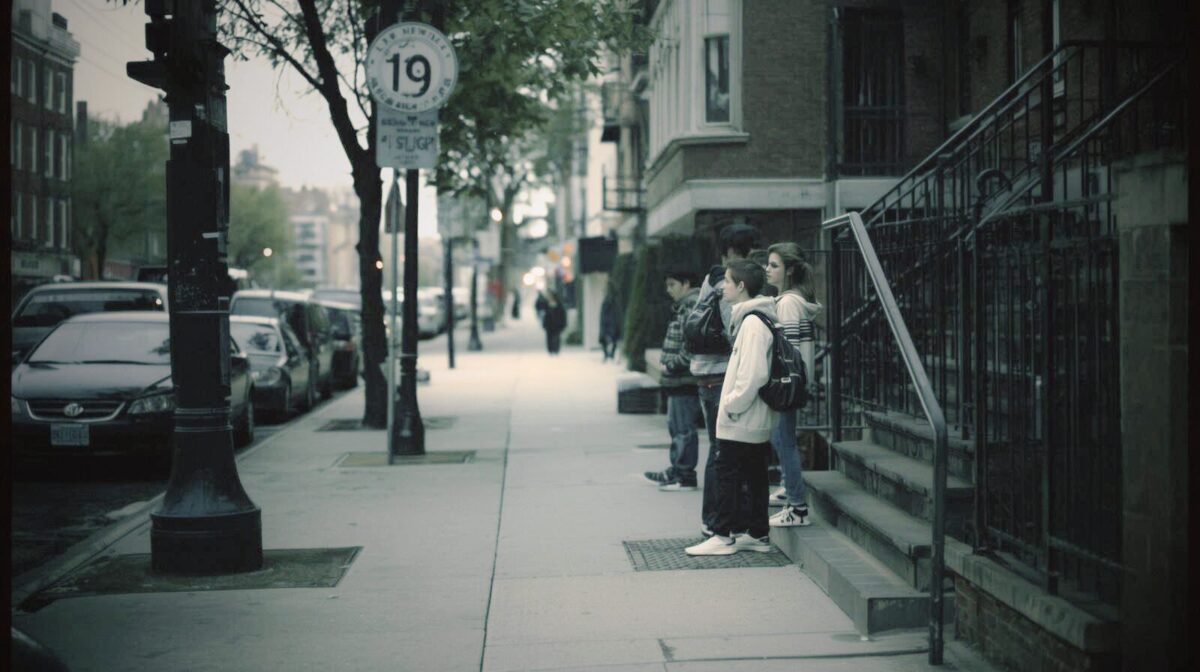
It was the summer I graduated high school when I first saw Kids.
I don’t remember exactly whose house we were at, but I remember the feeling — sitting there with a few close friends, watching something that didn’t behave like a movie we were used to. There were a lot of “oh my god” moments — not in a jump-scare way, but in that quieter, more unsettled way where you’re not entirely sure what you’re supposed to do with what you’re seeing.
It felt uncomfortable, controversial, and a little hard to shake.
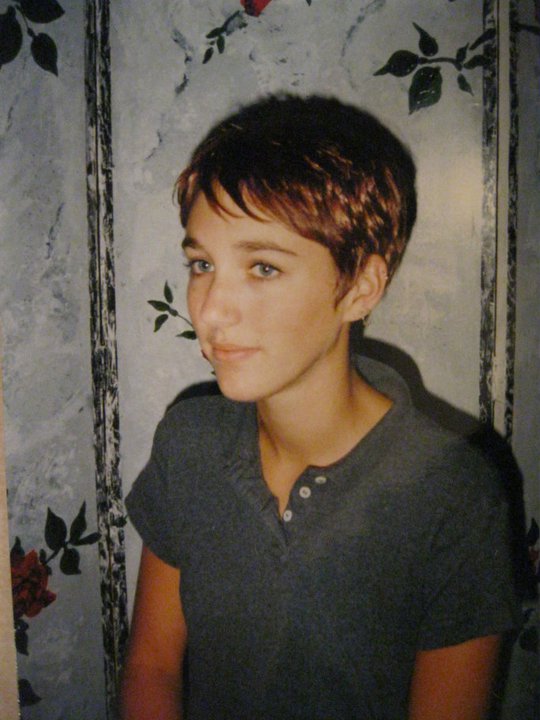
Back then, people said I looked like Chloë Sevigny, which only made the whole thing feel slightly more surreal. The movie wasn’t my life, far from it, but it didn’t feel fictional, either. It felt like something that could be happening somewhere else, just out of view.
And that was new.
Because up until that point, most movies about teenagers didn’t feel like that at all.
From Absurd to Believable
If you grew up on teen movies in the 1980s, you were used to a certain tone. Stories were heightened, sometimes absurd, often built around a clear arc: problem, misunderstanding, resolution, and some version of a lesson before the credits rolled.
Even when they touched on real issues, they were packaged in a way that made them easier to process. Conflict was contained. Characters were exaggerated. Endings were usually tidy.
The ’90s didn’t abandon storytelling, but it did loosen the structure.
Movies like Reality Bites, Clerks, and Empire Records didn’t feel like they were trying to teach you anything. They felt like they were just… observing. Conversations wandered. Decisions didn’t always lead to consequences. Characters weren’t clearly right or wrong.
Even when the situations didn’t match your own life, you believed them.
That was the shift. It wasn’t about relatability as much as it was about plausibility. These stories felt like they could be happening in a record store, an apartment, a college town, or somewhere in New York you’d never been but could picture anyway.
And once that door opened, it didn’t really close again.
Did you know? The 1990s marked the rise of independent film into the mainstream, with festivals like Sundance launching movies such as Clerks and Reservoir Dogs into wider cultural visibility.
Just a Little Older, A Lot More Independent
What stood out, even if you didn’t fully articulate it at the time, was how these characters seemed just a step ahead of you.
Not fully adult, not fully grounded, but operating with a level of independence that felt close enough to be possible.
They had jobs, but not careers; apartments, but not stability; relationships that unfolded without much supervision or commentary from anyone older or wiser. Parents, if they existed at all, were mostly off-screen.
That part rang true — even if the details didn’t.
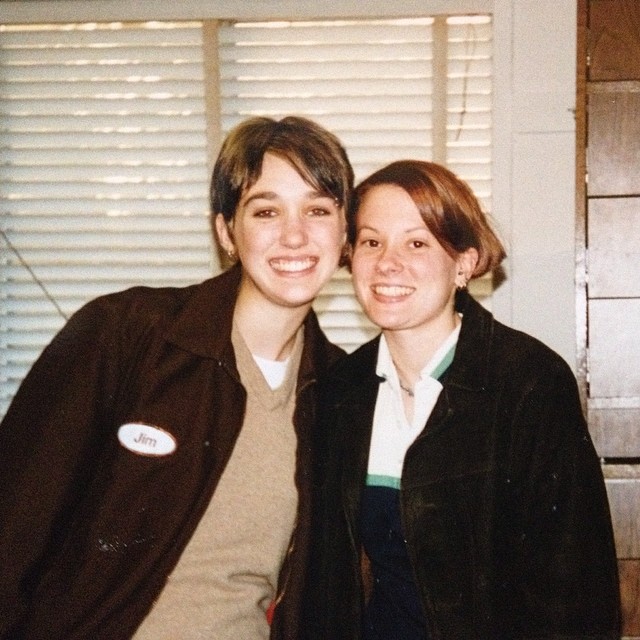
I was working at Gap and GapKids, spending my own version of long hours in a retail environment, navigating coworkers and schedules and a kind of low-stakes independence that felt like a preview of something bigger. My world was structured, suburban, and relatively contained.
Theirs wasn’t.
And yet, it didn’t feel exaggerated or unrealistic. It just felt like a different version of young adulthood, one that was slightly ahead of where we were, but not out of reach.
That gap between where you were and where they seemed to be wasn’t alienating. If anything, it was part of the pull.
Aspirational and Unsettling at the Same Time
Not all of these movies stayed with you in the same way.
Kids was something you reacted to. You watched it, sat with it, talked about it in fragments, those “oh my god” moments that didn’t quite resolve into anything neat. It wasn’t a movie you quoted or revisited for fun. It lingered differently.
Others became part of the language.
Pulp Fiction. Reservoir Dogs. Reality Bites. These were the ones you quoted, reenacted, and pinned to your walls. Scenes turned into inside jokes. Lines became shorthand. Posters followed you from bedroom to dorm room.
They were still gritty, still imperfect, but they were also magnetic.
That’s where the tension lived.
These movies could be unsettling without pushing you away. They could show flawed, messy people and still make you want to step into their world, even just a little. They didn’t present a version of life to aspire to in a traditional sense, but they also didn’t warn you off.
They just let things exist.
And for a generation used to more structured storytelling, that felt both freeing and a little disorienting at the same time.
Did you know? Kids sparked major controversy upon release in 1995 for its unfiltered portrayal of teen life, including discussions around censorship, distribution, and how far films should go in depicting youth culture.
Soundtracks, Subculture, and the Mood Shift
In the ’90s, it didn’t feel like a trend. It just felt like everything was moving in the same direction.
Part of that was literal. The soundtracks mattered.
Movies like Reality Bites and Empire Records weren’t just supported by music; they were shaped by it. The songs carried the same tone as the characters: a little detached, a little introspective, not overly concerned with resolution.
Those soundtracks didn’t stay in the background. They came with you. They played in your car, in your room, on repeat long after the movie ended. In some cases, they were just as memorable as the scenes themselves.
But it went beyond that.
Even when the music wasn’t front and center, the tone was familiar. The same shift that was happening in alternative rock — less polished, more inward, less interested in neat conclusions — was showing up on screen.
It just felt like part of the day-to-day. This was the mood and this was what things sounded like, looked like, felt like.
It’s much easier now to see how interconnected it all was.
The movies, the music, the aesthetic, they weren’t separate influences. They were different expressions of the same cultural shift.
Did you know? Soundtracks like Reality Bites didn’t just support the films — they helped define the era’s sound, bringing alternative artists into the mainstream and turning movie tie-ins into cultural touchpoints of their own.
Imperfection, Normalization, and Exposure
What these films offered wasn’t guidance. It was exposure.
The characters weren’t models for who to become. They were flawed, inconsistent, sometimes careless, sometimes self-aware, often somewhere in between. There was no clear message about how things should turn out, and no real effort to clean anything up before the credits rolled.
That, more than anything, marked the shift.
In the 1980s, stories often moved toward resolution. Problems were addressed. Lessons were implied, if not directly stated. You understood what you were supposed to take away.
In the ’90s, that structure loosened.
Instead of telling you what to think, these films showed you what existed. They introduced situations, behaviors, and perspectives that might not have been part of your immediate world, but were suddenly visible in a way they hadn’t been before.
That didn’t mean they were universally representative. Most of these stories still centered on middle-class, largely white characters. But even within that narrow lens, they expanded the edges a bit.
They made certain things feel more familiar, not necessarily more acceptable, but less abstract.
And maybe more importantly, they chipped away at the idea that life was supposed to look polished or complete.
Perfection wasn’t the goal. It wasn’t even part of the conversation.
Before Streaming, Still Everywhere
This was all happening before streaming, before anything was available on demand.
You couldn’t just pull these movies up whenever you felt like it. You saw them in theaters, or maybe on VHS if someone owned a copy, or if you were lucky enough to catch them again at the right time.
And still, they stuck.
Not because you watched them over and over the way we do now, but because they worked their way into everything else. You quoted lines with your friends. You reenacted scenes. You hung posters on your bedroom walls and then again in your dorm room. The soundtracks stayed in rotation long after the details of the plot started to fade.
They became part of the backdrop.
In some ways, the lack of access didn’t limit their impact; it concentrated it. You didn’t need constant exposure for something to take hold. Once it did, it stayed with you.
When “Real” Replaced Perfect
Turns out, the shift wasn’t just about tone. It was about expectation.
These movies didn’t offer a polished version of young adulthood, and they didn’t pretend everything would work itself out by the end. They made space for ambiguity. For flawed decisions. For stories that didn’t resolve cleanly.
They reflected a version of life that felt less scripted, even if it wasn’t your exact experience.
And in doing that, they changed the frame.
They made it easier to recognize that not everything needed to be tied up neatly, that people could be messy and still worth paying attention to, that the goal wasn’t necessarily perfection.
They didn’t tell you what to do with that idea.
They just made sure you saw it.