As an Amazon Associate, I earn from qualifying purchases. This post may contain affiliate links.
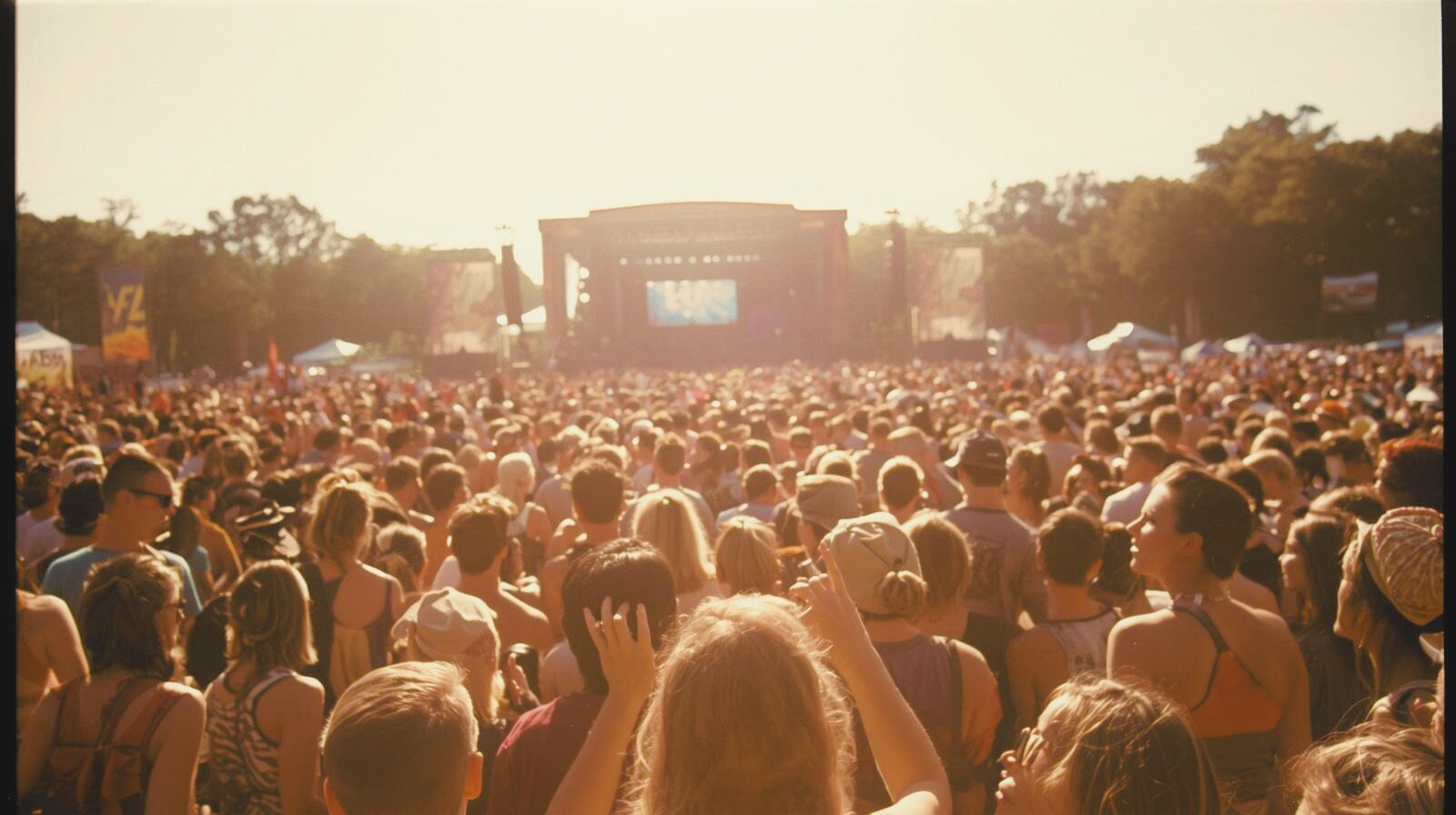
If you’re asking what the biggest music festivals of the 1990s were, the clearest answer is Lollapalooza, at least in terms of size, reach, and cultural footprint. But it wasn’t the only one that mattered — festivals like Woodstock ’94, Lilith Fair, and even regionally iconic events like HFStival all felt “big” in different ways, depending on where you were.
But “big” meant more than attendance in the ’90s. It meant visibility and influence — who was talking about it, and whether you felt like you were part of it.
For a lot of people, the biggest festival wasn’t the one that got the most coverage; it was the one they were actually at.
For me, that was HFStival.
The Festival You Were Actually At
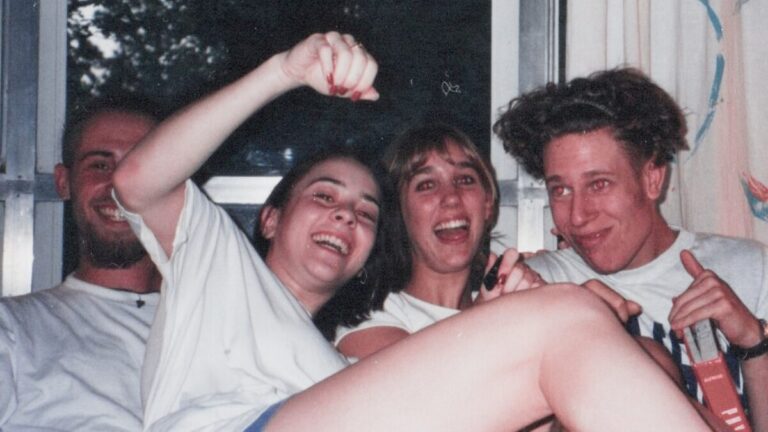
The first music festival I ever went to was HFStival in May 1994, during my junior year of high school.
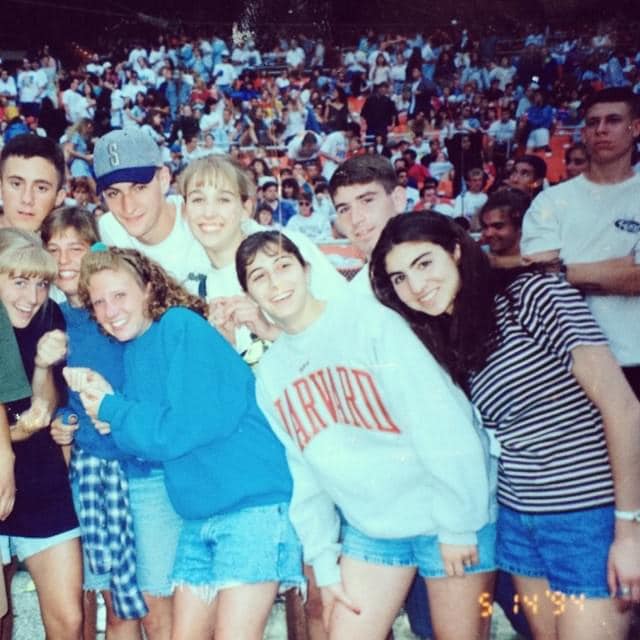
A group of us went together (no parents!), and it felt like a big deal at 16 or 17 years old, even though RFK Stadium was under an hour away from where we lived in the D.C. suburbs. The place was packed, from the field up through the stands. With blankets spread out on the field, we settled in for the full day and the electric environment around us. It wasn’t just a concert.
I remember singing along with the Violent Femmes, loudly, with friends, to “Blister in the Sun.” Same with James and “Laid.” And when Cracker closed out their set with “Eurotrash Girl” — the hidden track on the CD — it felt like we were in on something.
That’s the part that sticks. Not the full lineup, not the set times, not even the logistics. Just the feeling of being there, in it, together.
At the time, it didn’t feel like a defining cultural moment. It just felt like a really good day.
The meaning came later.
The Ones You Watched on MTV
Before I ever went to a festival, I knew about the bigger ones.
Woodstock ’94.
Lollapalooza.
They felt massive, distant, and slightly out of reach for a high schooler in the D.C. suburbs. We didn’t go — we watched.
MTV covered them in a way that felt almost like a news broadcast, but one designed for teenagers. This was right around the time The Real World had started shifting what “reality” looked like on TV, and MTV had figured out how to package real events in a way that felt immediate and accessible.
So you’d see the crowds, the mud, the scale of it all.
And while the music itself didn’t always feel that different — still rooted in alternative and indie rock — the presentation did. Everything looked bigger. Louder. More chaotic. More important.
Did you know? Woodstock ’94 drew an estimated 350,000 attendees over the course of the weekend — making it one of the largest music gatherings of the decade and a defining moment in how festivals were covered on television.
What Made a Festival Feel “Big” in the ’90s
Looking back, size was only part of it.
What really made certain 1990s music festivals feel bigger than others came down to a few things:
- Media coverage. If MTV was there, it mattered more. If it made the news, it carried weight beyond the crowd.
- Who was behind it. Festivals tied to recognizable names or ideas had more gravity.
- Cultural conversation. Some festivals weren’t just events; they were part of something larger happening in music and culture, especially across the rise of alternative music festivals in the ’90s.
Lilith Fair, in particular, stood apart. It was the first major festival centered on female artists, and that alone gave it a different kind of visibility and significance. It wasn’t just big — it was meaningful in a new way.
Did you know? Lilith Fair became the highest-grossing touring festival of 1997, proving that a lineup centered on female artists could draw massive audiences and reshape expectations for who headlined major music events.
One Era, Multiple Versions of the ’90s
Even with shared threads — especially the dominance of alternative and indie rock — these festivals didn’t all feel the same.
Lollapalooza had a touring, almost roaming identity, bringing a curated version of the ’90s to different cities.
HFStival felt regional but deeply rooted, powered by local radio — and no less real for the people who were there.
Lilith Fair created space for voices that hadn’t been centered before.
And then there were scenes that operated almost like their own traveling ecosystems. Fans of Grateful Dead and Phish followed tours in a way that blurred the line between concert and lifestyle — a kind of roving festival that existed parallel to the more structured ones, especially during the H.O.R.D.E. and Dave Matthews Band era.
Same decade, different experiences of it.
Why These Festivals Still Matter
At the time, most of us weren’t thinking about legacy. We were thinking about who was playing, who we were going with, and whether we could get there.
But those festivals did something bigger, whether we realized it or not.
They brought subculture into the open. They took music that felt personal (sometimes even niche) and gave it a stage big enough to feel shared. For a lot of Gen X teens, that mattered.
It wasn’t just about seeing bands live; it was about feeling understood.
So, What Was the Biggest?
If you’re answering the question directly — what were the biggest music festivals of the 1990s — Lollapalooza is probably the clearest answer.
Its size, its reach, its ability to move across cities and shape the sound of the decade give it a kind of cultural footprint the others didn’t quite match.
But that’s only one definition of “big.” For a lot of us, the biggest ’90s music festival wasn’t necessarily the one we saw on TV.
It was the one we were actually at, standing in a crowd, singing along, not realizing yet that we were inside a moment we’d still be thinking about decades later (and in many cases, the ones we still remember most clearly when we think back on 1990s music festivals).
If you want to revisit the sound of that era, there are still a few ’90s alternative rock compilations that come surprisingly close to what these festivals felt like.