As an Amazon Associate, I earn from qualifying purchases. This post may contain affiliate links.
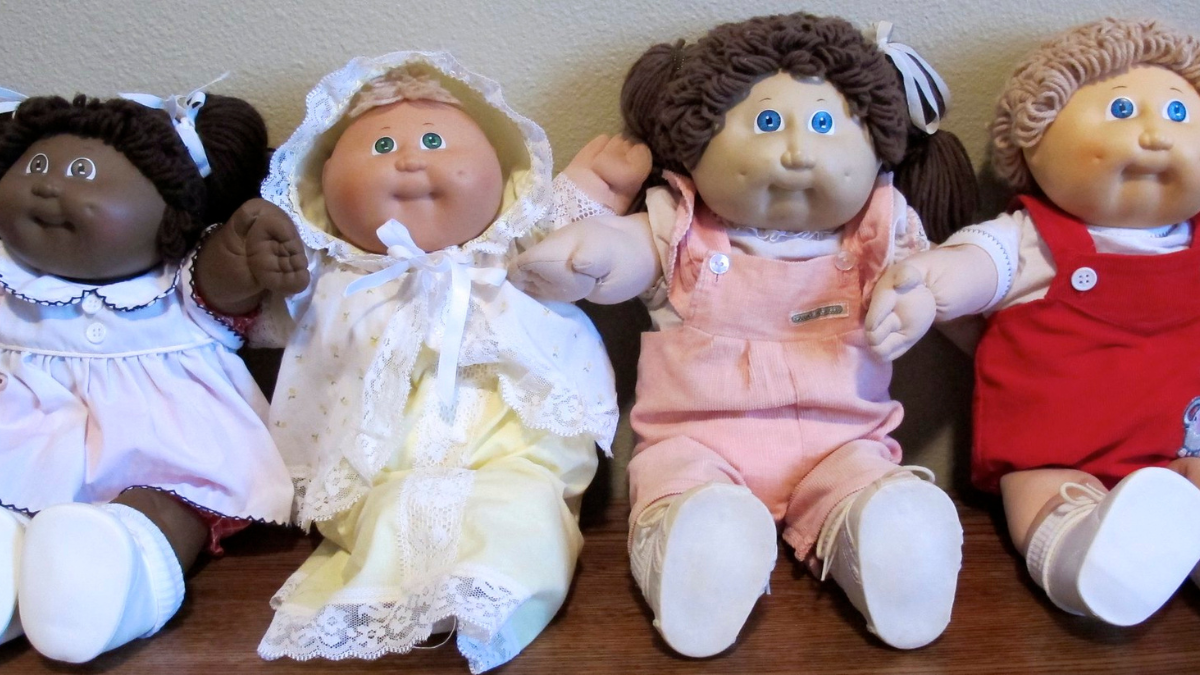
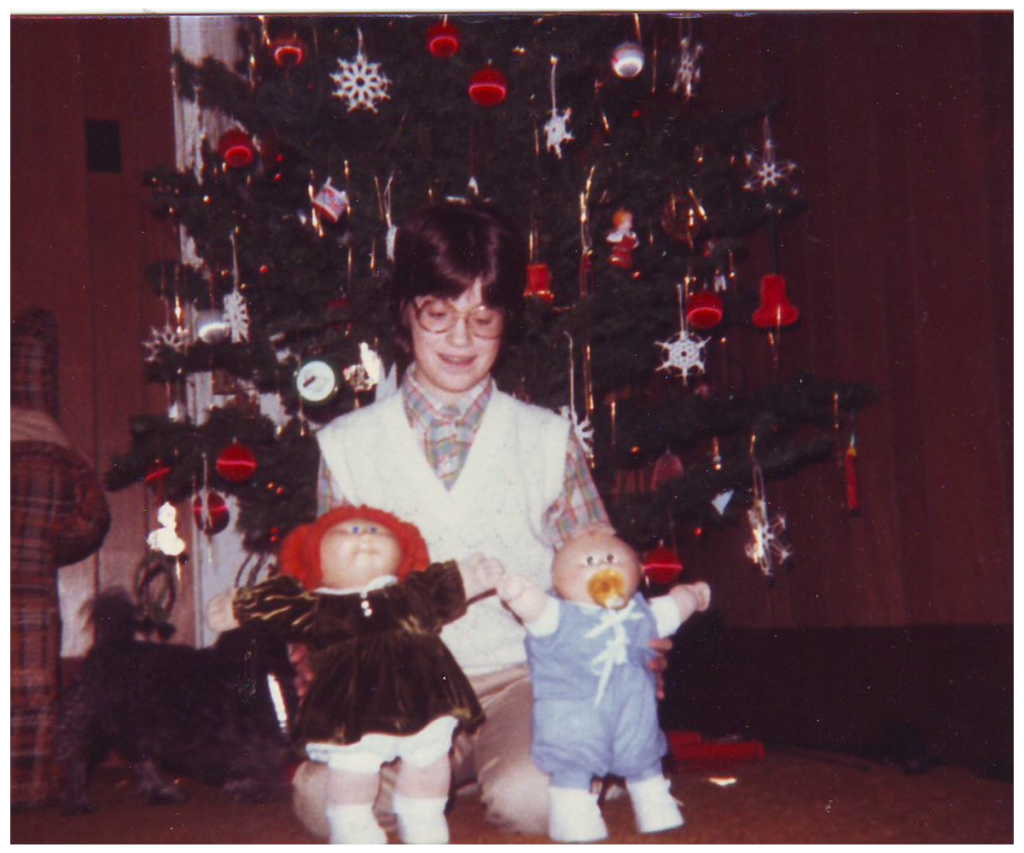
Other kids had Cabbage Patch Kids before I did. They dressed them, brought them places, and some even had more than one, which seemed like an awful lot when I was still waiting for my first. I loved how the dolls looked, and there was something about the baby-powder smell. A Cabbage Patch Kid was high on my Christmas list in 1983.
Our neighbor worked at Toys “R” Us, so she knew firsthand how hard the dolls were to come by. I knew they were hard to get, too, but that didn’t make the wait any easier.
That December, more than 200 parents gathered before sunrise outside the Toys “R” Us in Rockville, Maryland, after word got out that a shipment had come in. One mother had been checking the store every day, The Christian Science Monitor reported.
The Ads Stopped, but the Story Kept Going
Coleco began shipping Cabbage Patch Kids to major markets in June 1983, with an ad campaign and a publicity push to get things going. By summer, stores were already reporting sellouts. As demand climbed in the fall, Coleco stopped running TV commercials for the dolls. The company said it didn’t want to stir up any more demand for dolls it was struggling to deliver.
As Christmas approached, Coleco chartered 747s to bring in more dolls. The company shipped about 200,000 a week in the final months of 1983 and more than 3.2 million by year’s end. People were still lining up to find one.
Part of what made the dolls appealing was that each came with a name and adoption papers. The one your friend brought over could look different from the one you eventually got. Getting a doll felt like a bigger deal when there was a whole little ceremony attached to it, right down to promising to take care of it.
By late November, the search itself was making news. The Washington Post reported that one shopper at a Zayre in Tysons Corner, Virginia, bought two dolls and then refused to leave the store because he was afraid of the crowd outside. The dolls had been on sale for $17.99 apiece. Getting them at the sale price was apparently the easy part.
Did you know? In December 1993, Bandai bought ads in major newspapers to apologize for the shortage of Mighty Morphin Power Rangers figures.
By December, Cabbage Patch Kids were on the cover of Newsweek. Coleco could pull a commercial, but it had no say over how often people saw the dolls on TV once the hunt became a story of its own. In 1996, the company behind Tickle Me Elmo would go looking for that kind of attention, starting with a talk-show host who already liked Elmo.
How Tickle Me Elmo Went From Daytime TV to Sold Out
In October 1996, the easiest place to get a Tickle Me Elmo might have been the studio audience of The Rosie O’Donnell Show. Tyco’s publicist, Ellie Bagli, had sent O’Donnell a doll because she already liked Elmo and her show reached parents of young kids. When the producers got in touch, the publicity team offered enough dolls for the entire audience. The show turned it into a secret-word game. A guest finally said the word, and everyone in the audience got an Elmo. At the time, the dolls were still easy to find.
Tyco had also lined up other TV appearances, and a USA Today story featuring Elmo ran the day its TV ads began. The company had planned for people to see the doll. Its sales forecast, based on early orders from stores, was about 300,000. By October, stores that had sold out were asking for more, and by December, Tyco was running its factory in China around the clock to make 50,000 Elmos a week. A company representative told the Los Angeles Times that dolls were coming in by plane every day.
If your local store was out, there was always the classifieds. In December, the San Francisco Examiner found people asking anywhere from $75 to $1,000 or more for a doll that sold for about $30 at toy stores. An ad could tell you somebody had an Elmo. It could also make another round of calls to toy stores seem like a pretty good use of your afternoon. Two years later, shoppers hunting for a Furby would have another place to look.
Watch: The Tickle Me Elmo Rush of 1996
About 300 shoppers lined up before dawn for 48 Tickle Me Elmo dolls at a Walmart in Fredericton, New Brunswick. CBC looks back at the sale and what happened when the crowd rushed for the dolls.
Video via CBC on YouTube:
“The Tickle Me Elmo craze that caused a Walmart employee to get trampled, 1996“
The Hunt for Furby Went Online
By 1998, you could look for the year’s hard-to-find toy without calling every store in town. Shoppers looking for Furby checked an internet newsgroup called “alt.toys.furby” for tips on where it had turned up. Of course, the toy stores were still getting calls. One manager told the Los Angeles Times he’d tried keeping a waiting list, but it got so long he dropped it. If another shipment came in before Black Friday, he planned to open sales at 6 a.m. and limit shoppers to two Furbies each.
Tiger Electronics knew it might come up short. Its president, Roger Shiffman, told the Times that the company was wary of making more Furbies than it could sell. Time reported that retailers had ordered a million before September, and Tiger made 1.3 million. That sounds like a decent cushion until you hear what happened at one Mall of America store the day after Thanksgiving. It sold 300 Furbies in 10 minutes.
There was always eBay or Yahoo Auctions, where bidders were offering $75 or more for a toy that retailed for about $30. One rare, all-black Furby, still sealed in its box, sold for $1,001.10. That was an outlier, but even the $75 bids tell you something about what some shoppers were willing to pay to skip the line. Fifteen years earlier, Cabbage Patch shoppers had offered extra cash to people who’d just bought a doll. Now you could make an offer from home, and so could somebody several states away.
After Christmas
I got my first Cabbage Patch Kid in 1984, after I’d saved up $20. Our neighbor who worked at Toys “R” Us managed to get me a blond-haired Preemie. Stock was still limited, so I didn’t get to pick him out. I remember the baby-powder scent more clearly than his name, although I’m pretty sure it was Nicholas. I wrote more about him in my piece on the toys I loved in the ’80s.
I can see why adults got so wrapped up in finding these toys by Christmas morning. I was six, and it was hard to watch other kids carry their dolls around while I waited for mine. But Christmas came and went, and I still wanted one. The date mattered a lot while I was waiting. It mattered a whole lot less once I had him.