Best Saturday Morning Cartoons of the ’80s and ’90s (Ranked & Remembered)
Not just the best Saturday morning cartoons — the ones we lived with. From background comfort to must-watch moments, here’s what really stuck.

Not just the best Saturday morning cartoons — the ones we lived with. From background comfort to must-watch moments, here’s what really stuck.

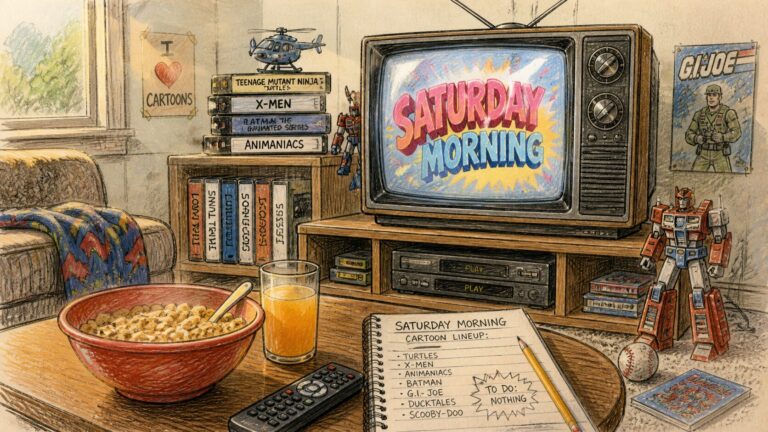
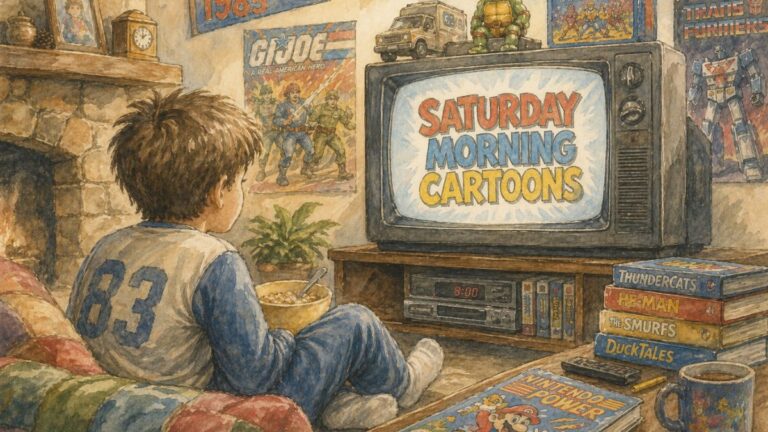
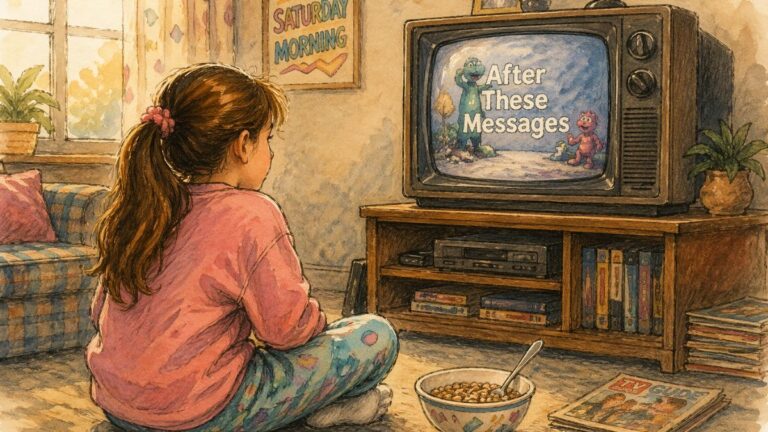
Saturday morning cartoons in the ’80s and ’90s weren’t just something to watch — they were a ritual. From waking up early on purpose to quiet living rooms, cereal bowls, and a few uninterrupted hours that felt like they belonged entirely to kids, this was a routine that shaped how we experienced TV — and time itself.

Saturday morning cartoons in the ’80s and ’90s weren’t just about the shows — they were a routine. A look at what made them stick, from the lineup to the moments in between.
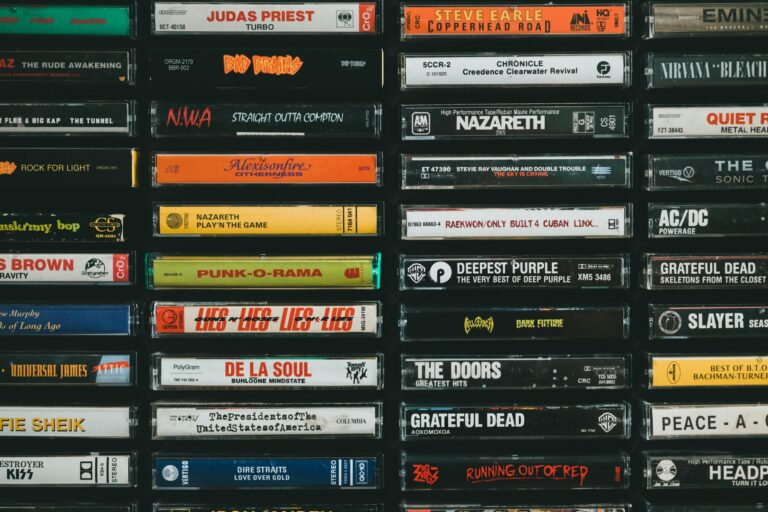
Before algorithms and endless playlists, music discovery wasn’t personalized — it was unpredictable. Here’s how we discovered music before streaming, and why it felt so different.

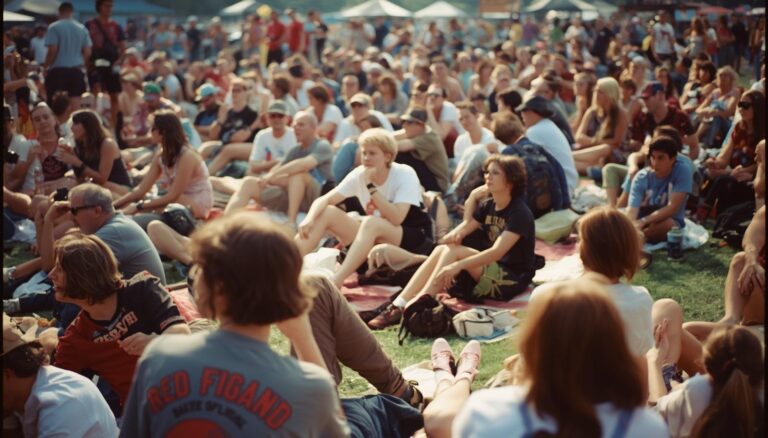
1990s music festivals weren’t just about the lineup. From lawn seating to analog experiences, they felt different in ways that go beyond nostalgia.

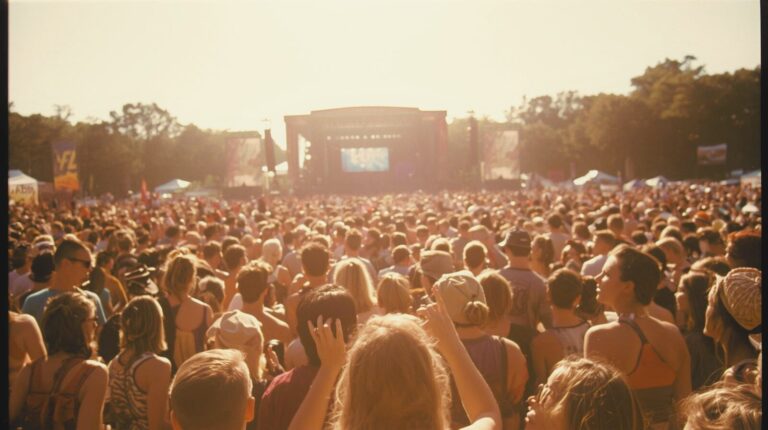
The biggest music festivals of the 1990s weren’t just about crowd size. They were about influence, reach, and the feeling of being part of something. From Lollapalooza to HFStival, this is what made them matter.

A look at how ’90s teen movies shifted from polished storytelling to something more real — gritty, imperfect, and closely tied to the culture shaping Gen X.

Before podcasts had a name, Gen X was already wired for long-form audio. From mixtapes and radio to true crime and talk shows, the habit never changed — only the format did.

Before smartphones, group chats, and location sharing, Gen X teens had a different social network: the mall. On Friday nights and weekend afternoons, suburban malls became the default hangout spot — a place to wander, browse stores, run into friends, and build the routines that defined teen life in the 1990s.

When grunge and alternative rock broke into the mainstream in the early ’90s, the tone of youth culture changed. For Gen X listeners, music suddenly felt heavier, more introspective, and far more emotionally honest.