As an Amazon Associate, I earn from qualifying purchases. This post may contain affiliate links.
Before “book bans” became a trending topic, they were more like background noise — occasional news stories or parent-teacher debates about what belonged on a syllabus. Some of these paperbacks were passed between friends, but plenty came straight from classroom reading lists, creased and underlined by generations before us.
For Gen X, these challenged and controversial books weren’t about rebellion for rebellion’s sake. Whether a teacher assigned them or a friend slipped us a copy, they pushed us to think critically, question authority, and see the world’s gray areas.
Did you know? Most of the so-called “banned” books we read weren’t actually banned — they were challenged. A challenge happens when a parent, teacher, or community group requests a book’s removal from a library or classroom. Very few titles disappear completely, but the debates around them reveal what each decade feared (or didn’t understand) about the stories that made us think critically and care deeply.
(If you were more into Christopher Pike or Sweet Valley High, this was the other side of your bookshelf: the books we cherished and some we weren’t exactly supposed to read.)
Controversial Books That Defined Gen X
Keep scrolling for the controversial books that challenged, inspired, and defined Gen X. Some were called inappropriate, others too political, but every one left its mark.

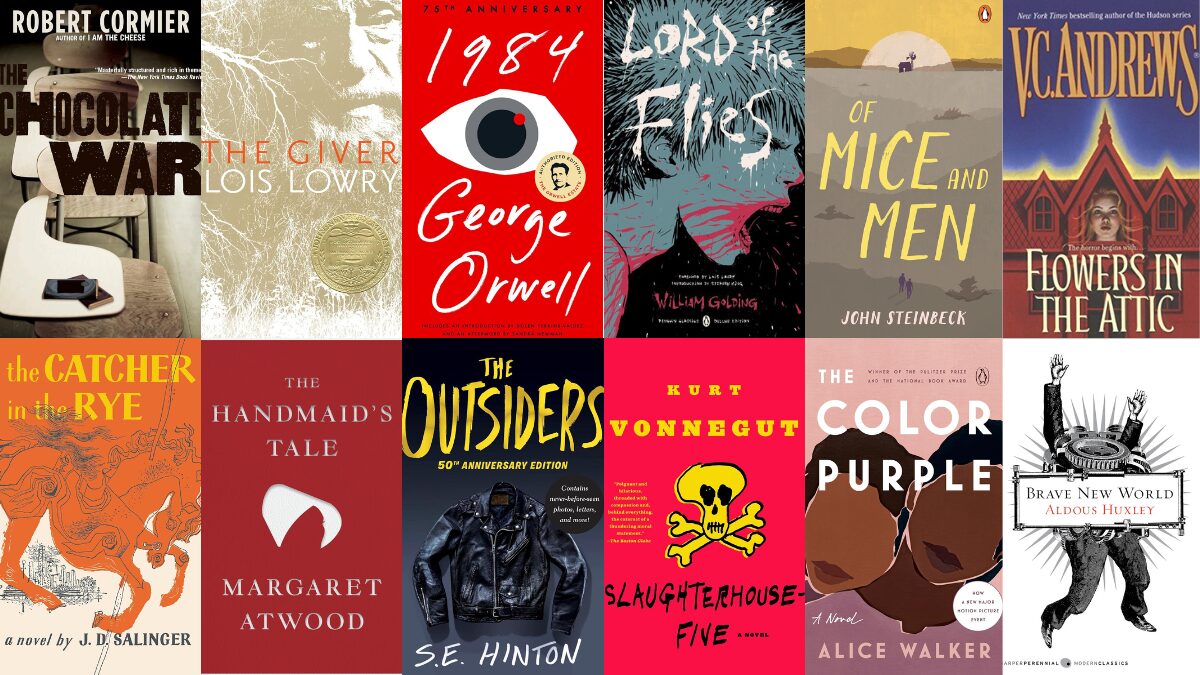
"1984" by George Orwell
- Why we cared: It made authority feel like a riddle we had to solve.
- Why it was challenged: Political themes and sexual content drew complaints.
- What stayed with us: Surveillance and control can look ordinary until it’s too late.
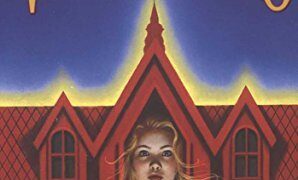
"Flowers in the Attic" by V.C. Andrews
- Why we cared: Gothic, twisted, and impossible to look away from.
- Why it was challenged: Incest, abuse, and moral outrage in the suburbs.
- What stayed with us: Even perfect families can hide ugly truths.

"The Catcher in the Rye" by J.D. Salinger
- Why we cared: Holden said the things we couldn’t.
- Why it was challenged: Language, sexuality, and defiance of authority.
- What stayed with us: Honesty sounds rebellious, but it’s often just being real.
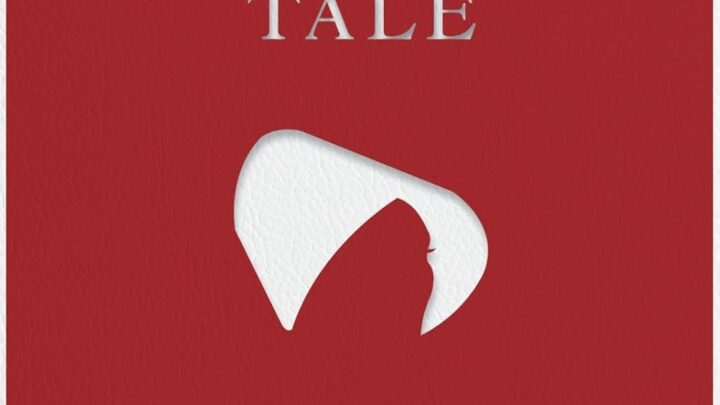
"The Handmaid's Tale" by Margaret Atwood
- Why we cared: A future where women lost their voices felt too possible.
- Why it was challenged: Sexuality and political themes made some readers uneasy.
- What stayed with us: Freedom fades fastest when no one’s paying attention.
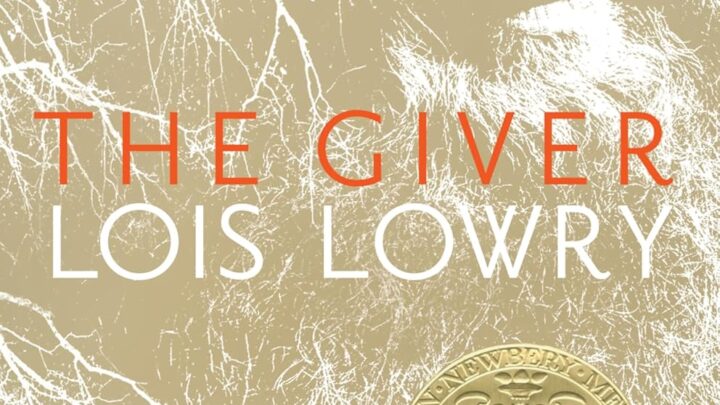
"The Giver" by Lois Lowry
- Why we cared: A world without memory or emotion felt disturbingly familiar.
- Why it was challenged: Euthanasia and dark themes were “too much” for kids.
- What stayed with us: Perfection often hides profound loss.
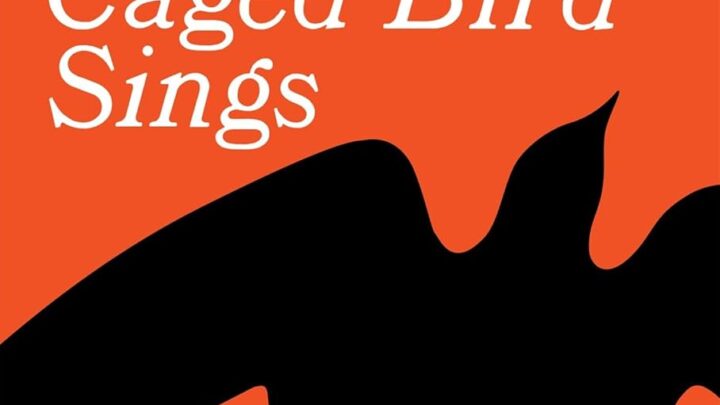
"I Know Why the Caged Bird Sings" by Maya Angelou
- Why we cared: It gave words to trauma and resilience before we had our own.
- Why it was challenged: Portrayal of sexual assault and frank talk about race.
- What stayed with us: Courage doesn’t need permission.
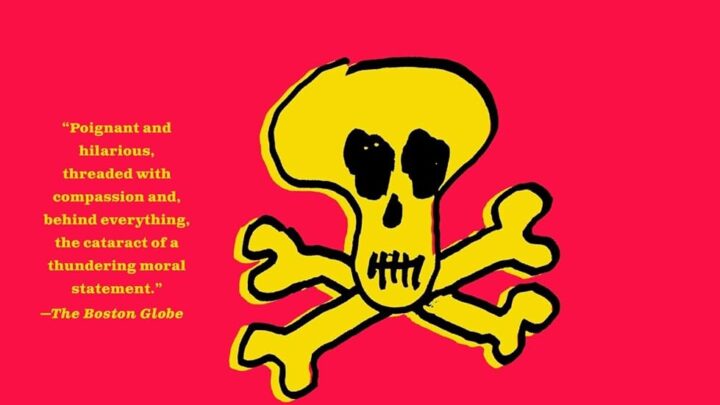
"Slaughterhouse-Five" by Kurt Vonnegut
- Why we cared: It made sense of chaos through humor and heartbreak.
- Why it was challenged: Language, sexuality, and anti-war themes.
- What stayed with us: Absurdity can tell the truest story.
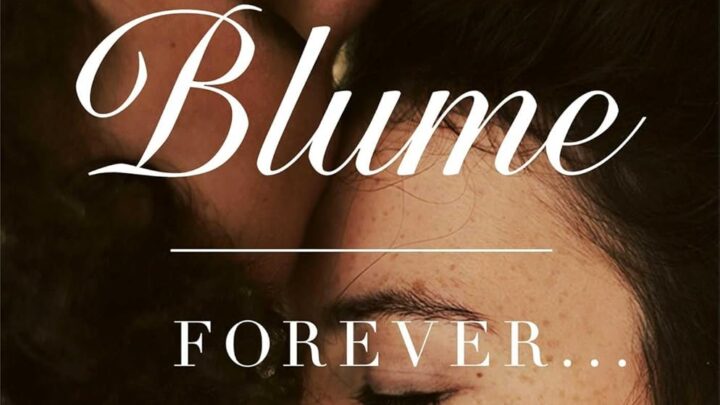
"Forever" by Judy Blume
- Why we cared: It treated teenage intimacy like reality, not scandal.
- Why it was challenged: Frank discussion about sex and birth control.
- What stayed with us: Honesty is riskier — and more important — than romance.

"The Chocolate War" by Robert Cormier
- Why we cared: It exposed the politics of high school and human cruelty.
- Why it was challenged: Violence, language, and a bleak view of power.
- What stayed with us: Refusing to play the game is its own rebellion.
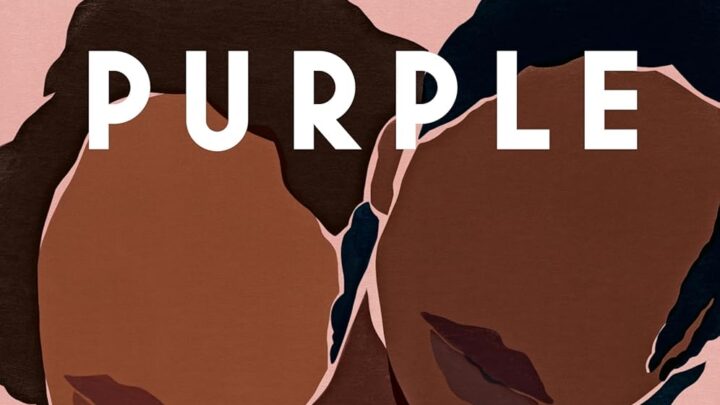
"The Color Purple" by Alice Walker
- Why we cared: It showed survival and transformation through raw honesty.
- Why it was challenged: Sexual violence and racial themes made it a target.
- What stayed with us: Empathy changes everything.
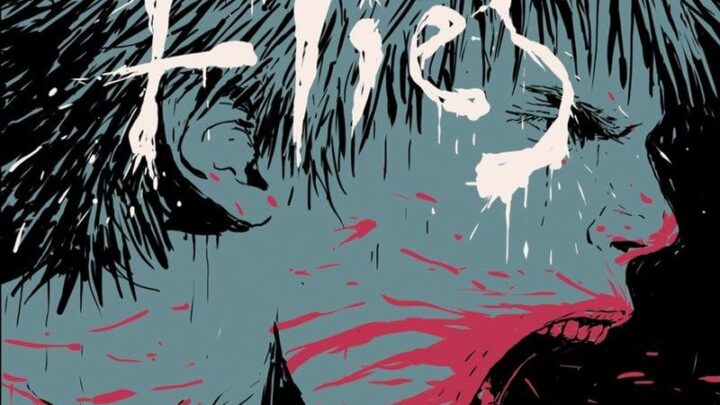
"Lord of the Flies" by William Golding
- Why we cared: It asked what happens when the rules disappear.
- Why it was challenged: Violence and grim portrayals of human nature.
- What stayed with us: The scariest monsters were never imaginary.
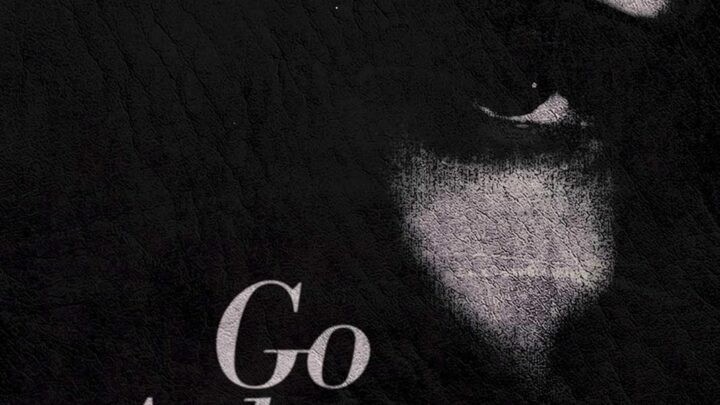
"Go Ask Alice" by Anonymous
- Why we cared: It felt like eavesdropping on a dangerous secret.
- Why it was challenged: Drugs, sex, and its unsettling realism.
- What stayed with us: Curiosity can be both survival and downfall.
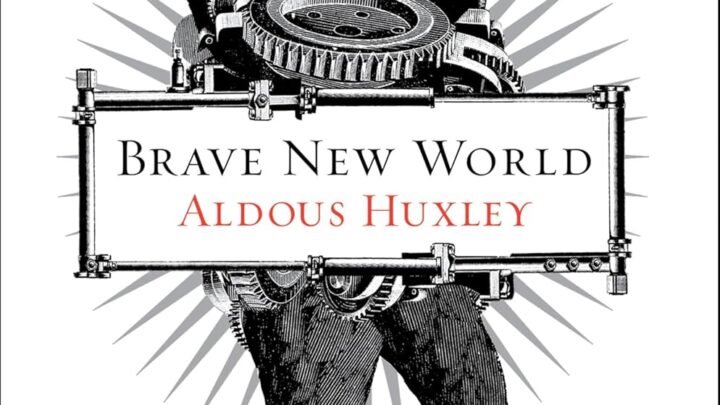
"Brave New World" by Aldous Huxley
- Why we cared: It warned us about comfort, control, and manufactured happiness.
- Why it was challenged: Immorality, drug use, and “un-American” ideas.
- What stayed with us: Numbness can be more dangerous than fear.
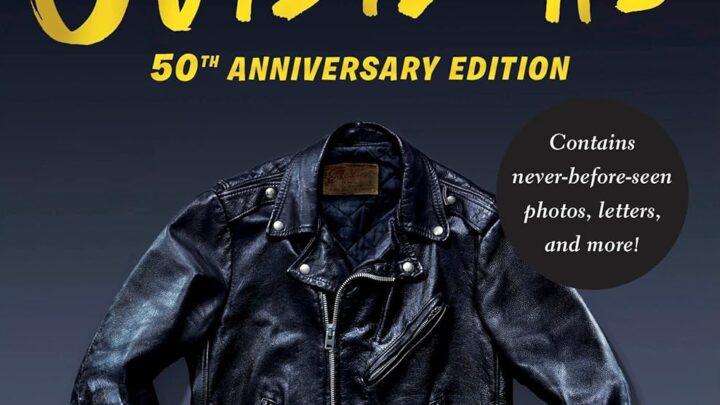
"The Outsiders" by S.E. Hinton
- Why we cared: It was written by one of us: young, restless, and misunderstood.
- Why it was challenged: Violence, gangs, and underage drinking.
- What stayed with us: Staying true to yourself is harder than it looks.
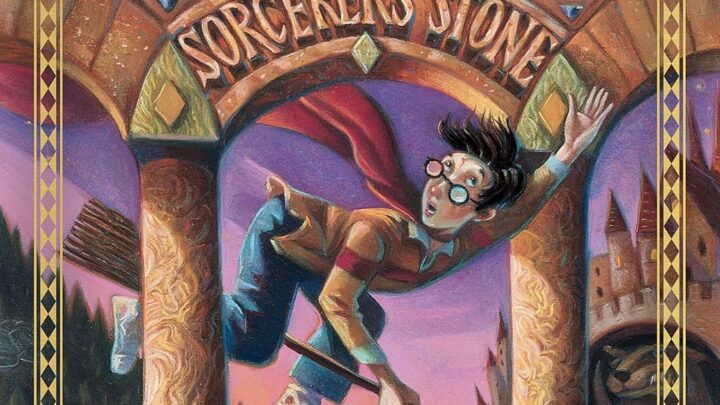
"Harry Potter" by J.K. Rowling
- Why we cared: It reignited our sense of wonder at a time when most of us had stopped believing in magic.
- Why it was challenged: Some parents objected to its portrayal of witchcraft and “dark arts,” sparking school library bans in the late ’90s and early 2000s.
- What stayed with us: Imagination is its own kind of power — and curiosity will always outlast fear.

"Of Mice and Men" by John Steinbeck
- Why we cared: Simple dreams met hard truths and broke our hearts.
- Why it was challenged: Language, violence, and racial slurs.
- What stayed with us: Compassion rarely wins, but it still matters.
Why These Stories Still Matter
Not all “controversial” books Gen X read were kept secret. Some were proudly assigned by teachers who believed hard stories made us sharper thinkers and better humans. Others we discovered on our own, drawn to the covers that promised something unsettling or true.
For Gen X readers, these books blurred the line between homework and awakening. They didn’t demand rebellion; they invited curiosity. And they taught us that discomfort isn’t danger. It’s growth.
Today, as new (and old!) titles face fresh challenges with censorship in schools, the conversation feels familiar. The same impulse to protect often collides with the same need to question. But the act of reading openly, earnestly, without permission still matters.
Maybe that’s what these books were teaching all along: that thinking critically is never out of style, and curiosity will always turn the page.
What controversial book from your teen years left the biggest impression on you (or were you more of a YA paperback reader)?